
Campervanning in Japan vs Europe & New Zealand
I've done van trips in three very different places — a six-week road trip across Europe, free-roaming New Zealand in my own van, and now running a campervan rental here in Tokyo. Travellers from Europe, Australia and New Zealand keep asking me the same thing before they book: "Will a Japan trip feel like what I already know?" Here's the honest answer.
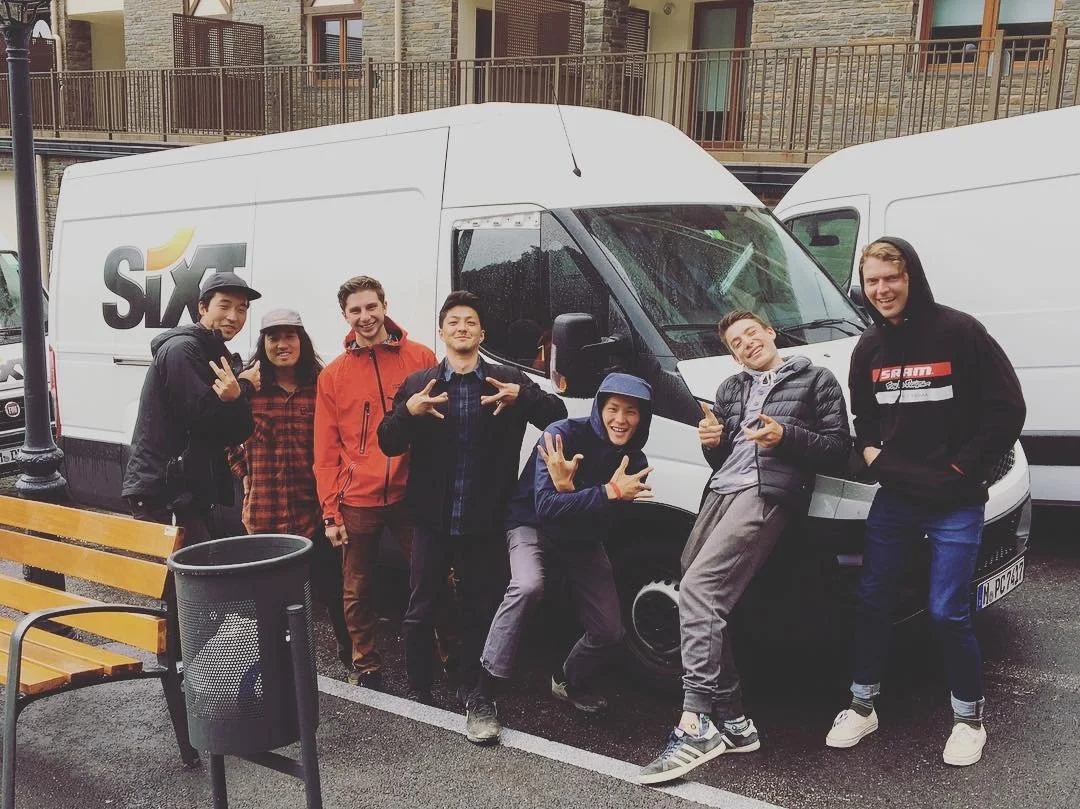
In Europe, the trip ran six weeks: I picked up a van in Germany and drove through Austria, France, Spain, Andorra and Switzerland before dropping it back in Germany. We barely booked accommodation — we cooked at the free public BBQ spots you find in parks, and slept parked up in big parks or on quiet backstreets. In New Zealand I travelled in my own van. And now I rent campervans out of Tokyo. So when someone from Europe, Australia or NZ asks whether Japan will feel familiar, I can actually answer it. The driving and the van itself click fast. Where you sleep does not. Get your head around that one difference before you come, and Japan is about the most comfortable country in the world to travel by van.
The driving and the van feel familiar; where you sleep does not. Europe is relaxed about public space. New Zealand has "freedom camping," but it's more restricted than people think. Japan has neither — instead you sleep at roadside stations and RV parks, and you bathe at hot springs. It's a different system, not a worse one. Learn it before you arrive and Japan is one of the most comfortable van-travel countries anywhere.
Can you park and sleep anywhere, like in Europe or New Zealand?
No — and honestly, not really in New Zealand either. All three countries have rules; the "freedom" just takes a different shape in each.
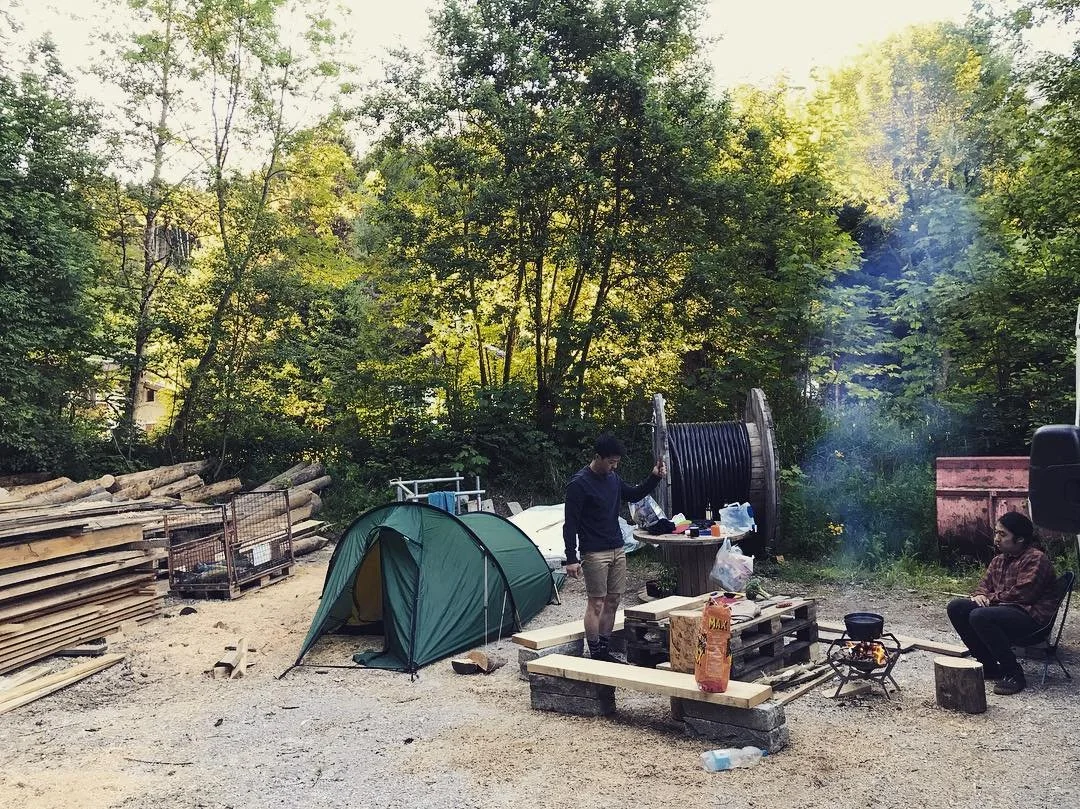
Europe was the most relaxed of the three for me. On that six-week trip I barely paid for a campsite. I'd cook at the free BBQ sites in public parks and sleep parked up in a large park or on a quiet road. Sometimes I used a proper campground, but mostly it was "find a free spot and stay the night." New Zealand has "freedom camping," which sounds like park-anywhere but isn't. It's only allowed in areas designated by local councils or DOC, and these days it almost always requires a certified self-contained van — one with a fixed toilet and its own water and waste tanks (from June 2026, a green self-contained warrant). Popular regions have few legal spots and actively patrol them, with fines. So even in NZ, free legal places to stay are fewer than most people picture. Japan is neither of those. You don't just park up on the street or in a park to sleep — it isn't how things are done here. But — and this is the whole point — Japan has its own network built for exactly this, and once you know it, you're never stuck. It's genuinely comfortable, as you'll see.
So where do you actually sleep in Japan?
Mostly at michi-no-eki (roadside stations) and RV parks. You sleep inside your vehicle — you just don't set up camp outside it.
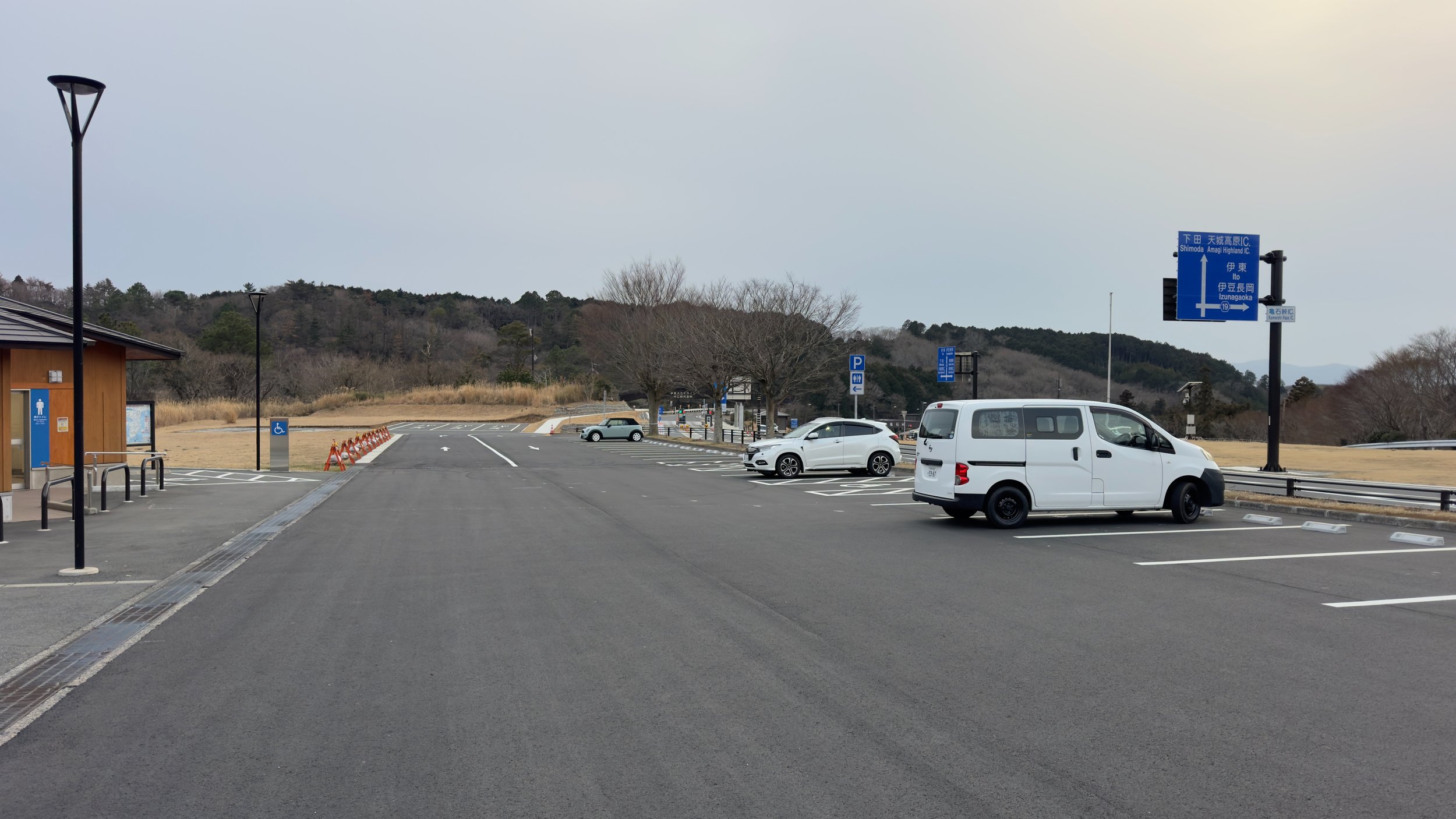
Michi-no-eki are government-registered roadside stations with parking, clean toilets, and often a local produce market or food stalls. You can sleep there — in your vehicle. There's one rule that matters: don't spread out. No chairs and tables outside, no awning, no setting up camp in the car park. Sleep inside, keep your space tidy, and it's completely fine. Think of it as a place to sleep, not a campsite.
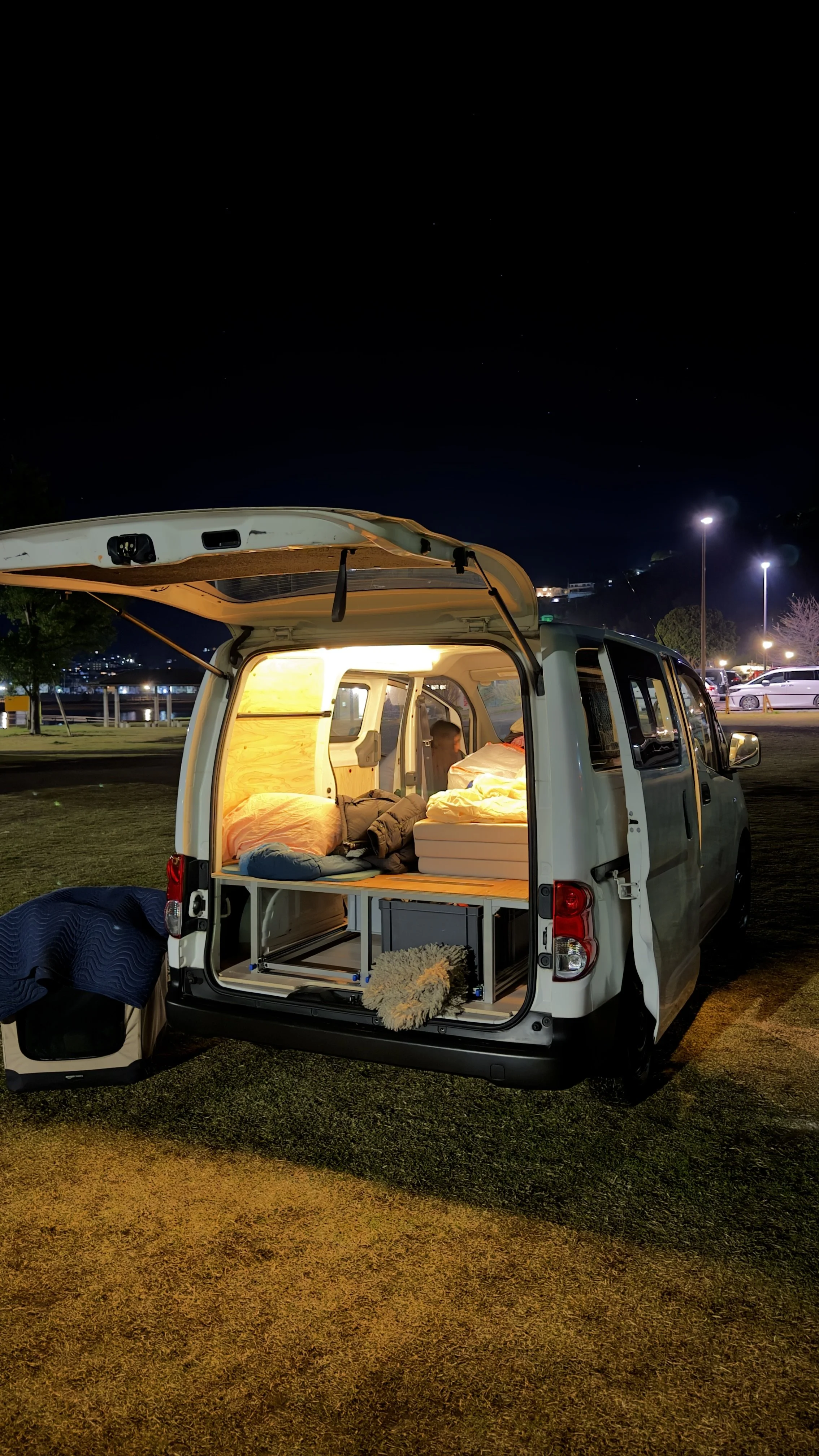
For nights when you want facilities — power, a booked bay, sometimes showers — RV parks (bookable through networks like Carstay) are the closest thing to a European campground. I go through how to choose them, with the etiquette, in my full guide: Where to sleep in a campervan in Japan.
How do you shower with no campsite facilities?
You bathe at an onsen (hot spring) or sento (public bath). Japan has thousands, and it beats a campsite shower every time.
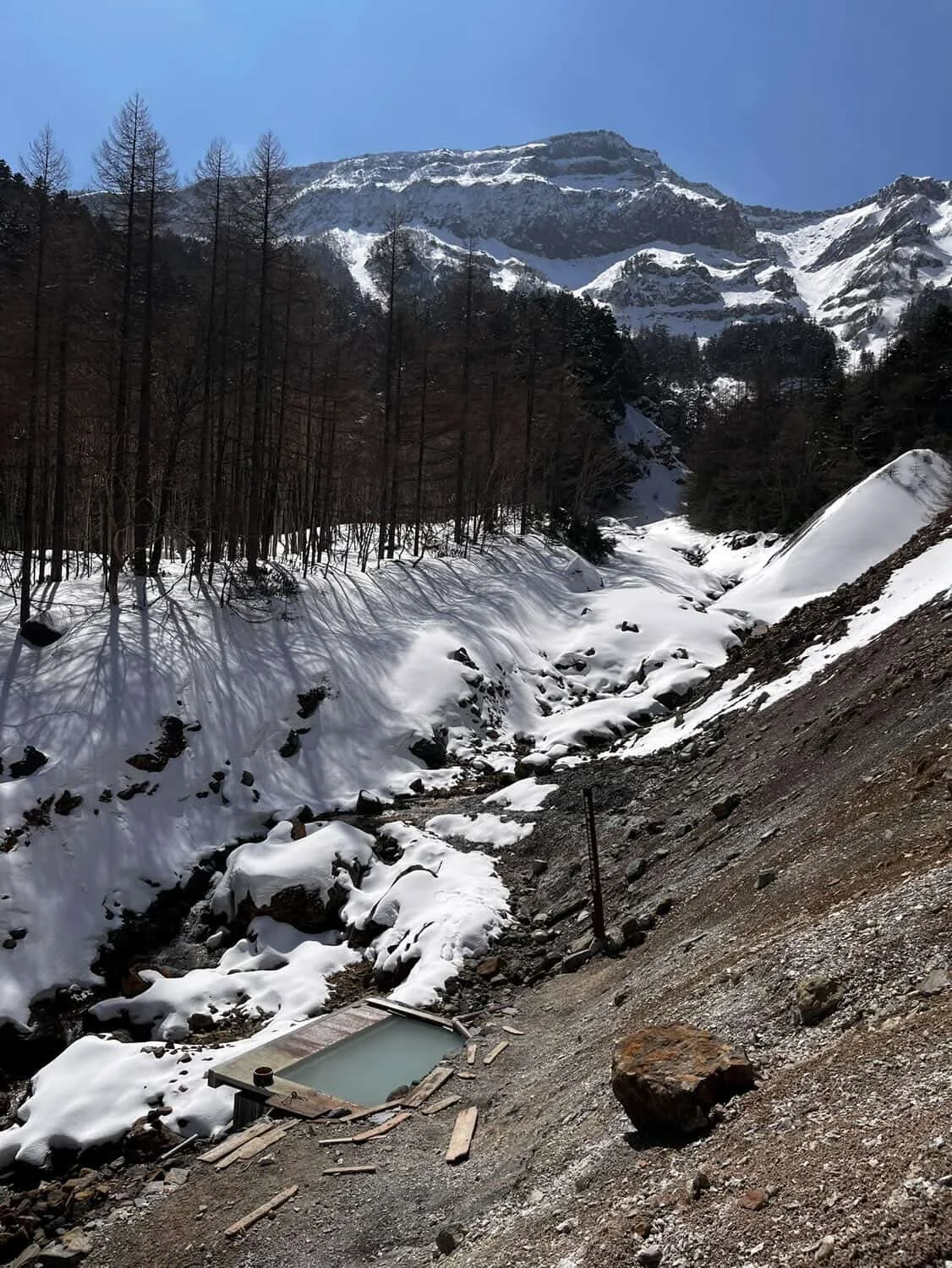
In Europe I showered at the campsite and never gave it a second thought. In Japan, the bath becomes part of the trip itself. The one I'll never forget is Honzawa Onsen — an open-air bath called "Unjo no Yu," high in the Yatsugatake mountains. You can't drive to it. From the trailhead you walk in through quiet forest, and after a proper hike you finally reach a rough stone pool ringed by mountains on every side. Sinking tired legs into hot water with that view all around you is something else entirely. Hiking and a hot spring in one — you can only really do that here. You don't have to go that deep into the mountains, though. Wherever you drive, there's a hot spring to stop at when the day is done. A few hundred yen, a soak with a mountain view, and you come out completely reset. Guests often tell me this ends up being their favourite part of the whole trip. More on how it works: How to shower on a Japan campervan trip.
Is driving in Japan like Europe, or like New Zealand?
Like New Zealand, Australia and the UK — you drive on the left. Roads are narrow, city parking is tight, and expressways charge tolls.
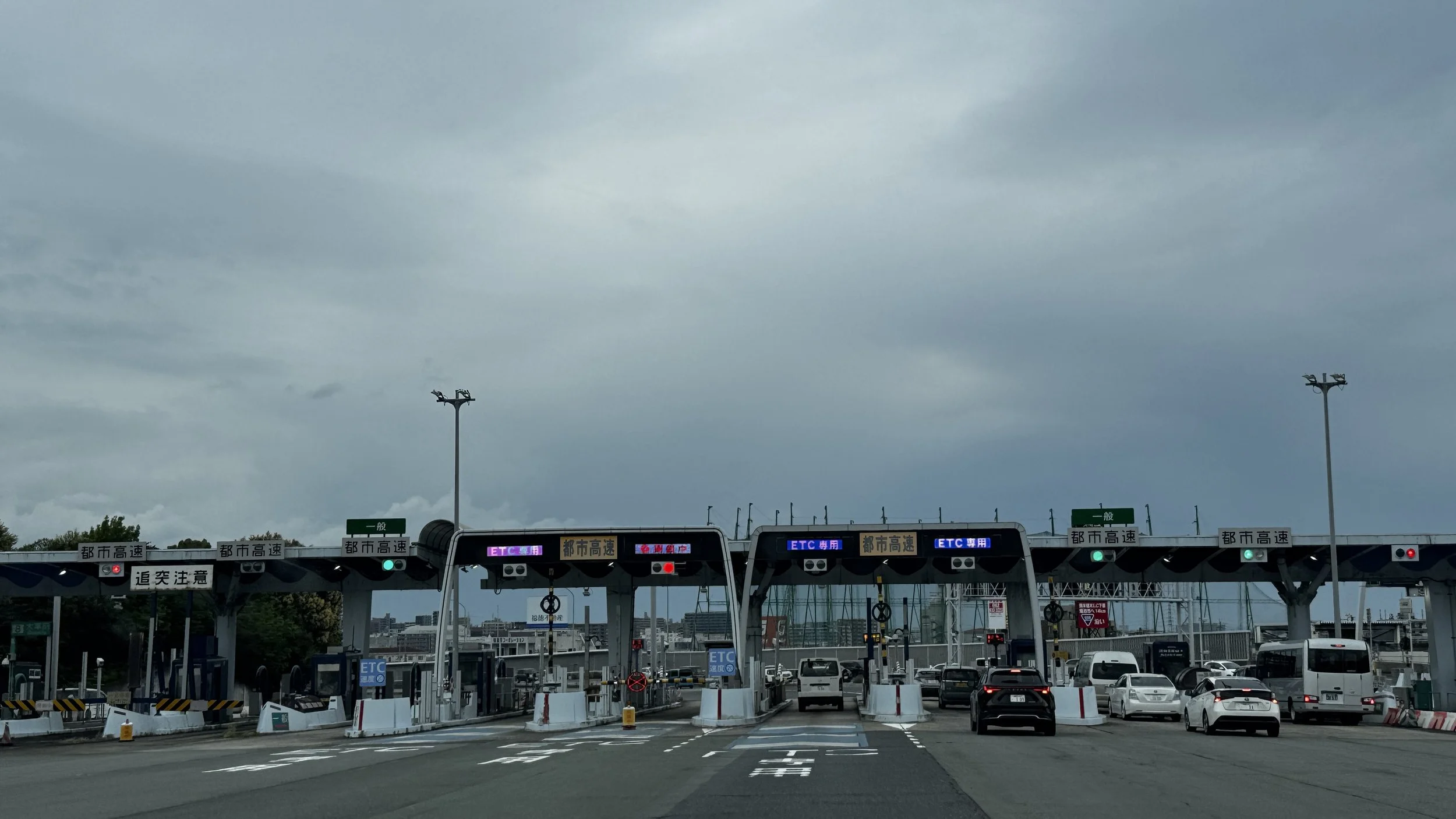
If you're coming from New Zealand, Australia or the UK, you'll feel at home within minutes — same side of the road, same instincts. Coming from continental Europe (Germany, France and so on), you switch to the left, which takes about half a day to click. Roads are narrower than most people expect, especially through old towns and in the mountains, and parking anything big in a city is a real hassle. That's exactly why we rent compact, easy-to-drive vans for two rather than big motorhomes — in Japan, smaller is smarter. One more thing that catches Europe and NZ travellers out: expressway tolls add up fast, so budget for them.
Can you cook or have a campfire like in Europe?
Open fires are mostly limited to designated sites — but you won't need one. Convenience stores, supermarkets and vending machines are everywhere.
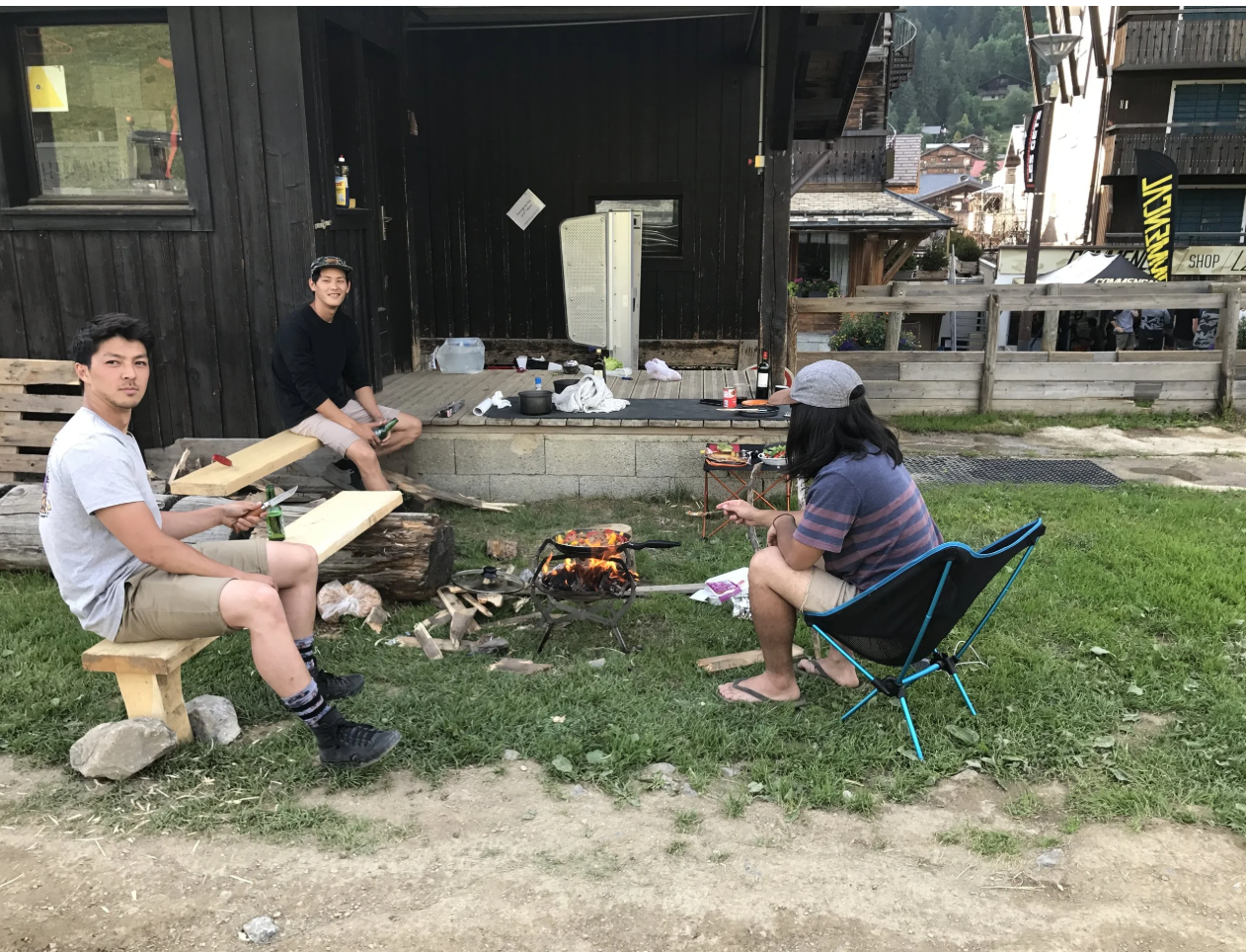
In Europe I cooked over a fire most nights — we'd split freight pallets for firewood because they're dry and burn well. It was one of the best parts of the trip. Japan is stricter: open fires are generally only allowed at designated campgrounds, not on the roadside.
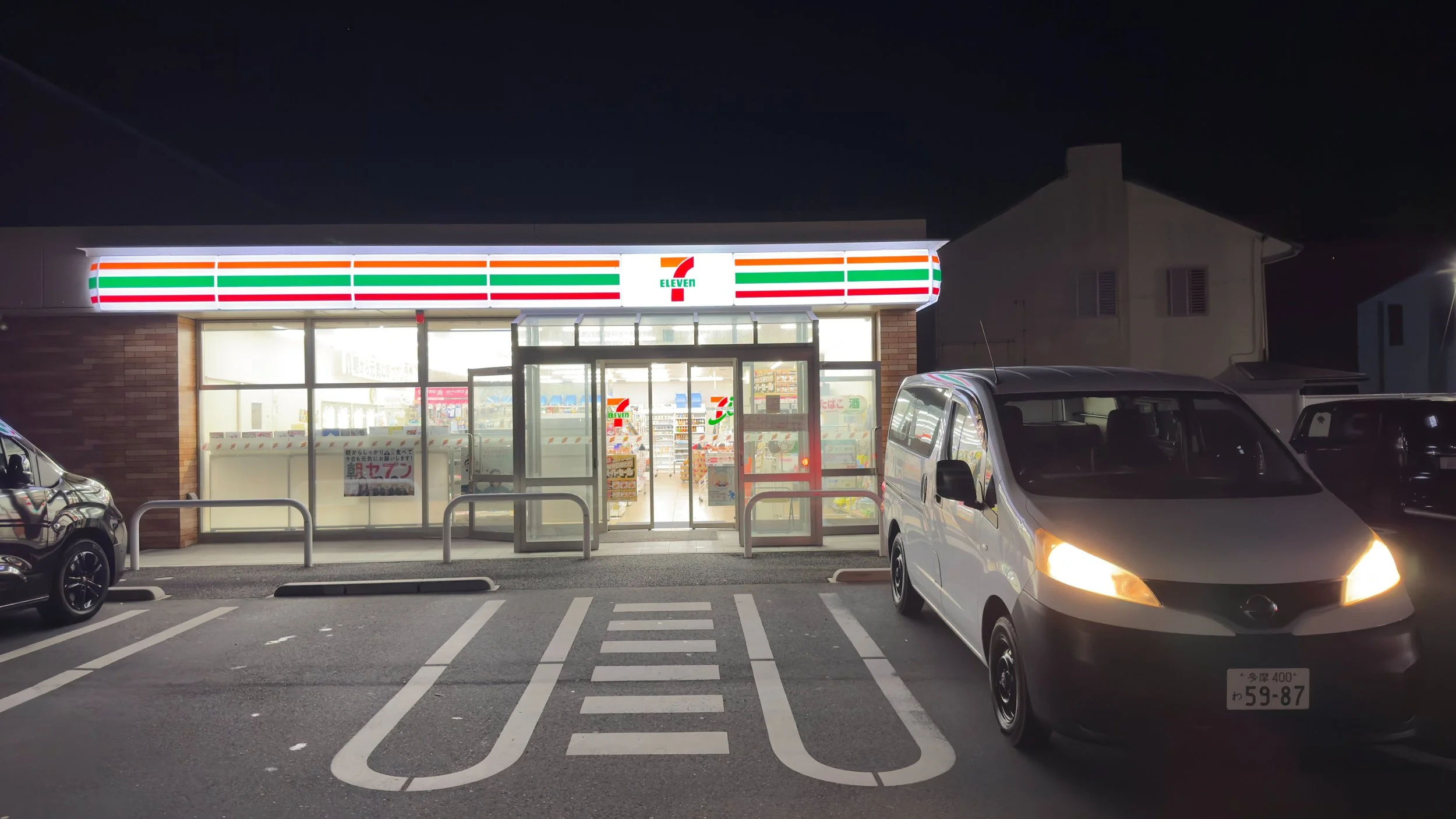
But honestly, you barely miss it. There's a convenience store close by almost anywhere, and they're genuinely good; supermarkets have great fresh food; and there's a vending machine on practically every corner.
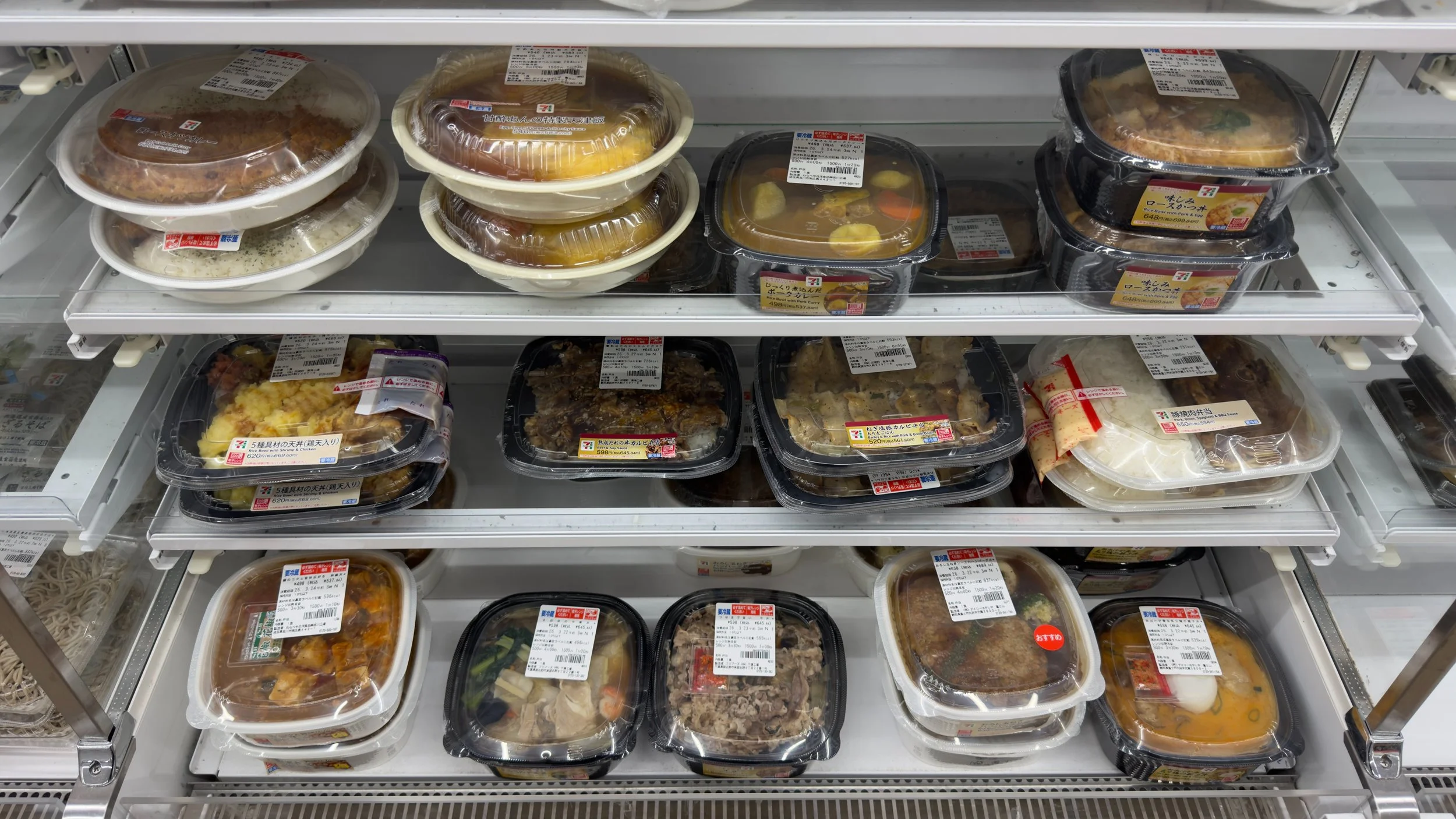
Cook something simple with the van's kit and you'll eat well without ever lighting a fire.
Japan vs Europe vs New Zealand, side by side
| Europe | New Zealand | Japan | |
|---|---|---|---|
| Where you sleep | Parks, quiet roads & campsites — lots of freedom | Freedom camping in designated areas only (self-contained cert needed), plus DOC & holiday parks | Michi-no-eki & RV parks — sleep in your vehicle, don't spread out |
| Bathing | Campsite showers | Holiday-park showers | Onsen & public baths (the highlight) |
| Driving side | Right (most countries) | Left | Left |
| Roads & parking | Wide, easy | Open, quiet | Narrow; tight in cities — go compact |
| Fire & cooking | Open fire & free cooking | Fairly relaxed | Fire restricted; conbini everywhere |
| Best for | Long, free-roaming trips | Self-contained van, nature-first travel | Safe, comfortable, couples exploring |
So — is Japan better or worse for a van trip?
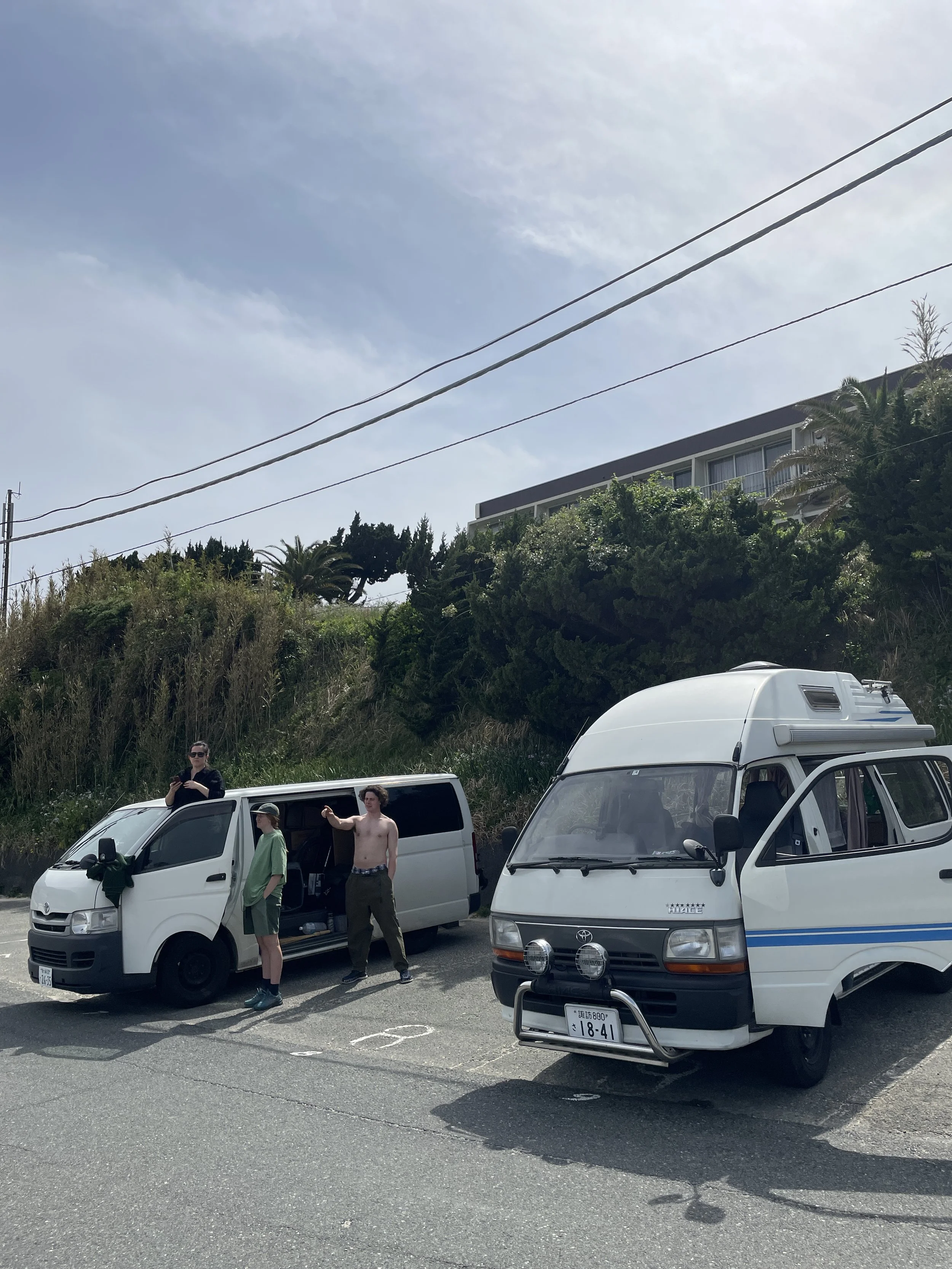
Just different. Arrive expecting New Zealand-style freedom and your first night will trip you up. But learn the rhythm — sleep at a michi-no-eki, bathe at an onsen, eat from a conbini — and Japan is probably the most comfortable van country I've travelled. It's safe, it's clean, the infrastructure quietly works, and ending each day in a hot spring is hard to beat anywhere. The freedom is just a different shape: less "park anywhere," more "everything you need is close, and it works." Come knowing that, and you'll fall for it.
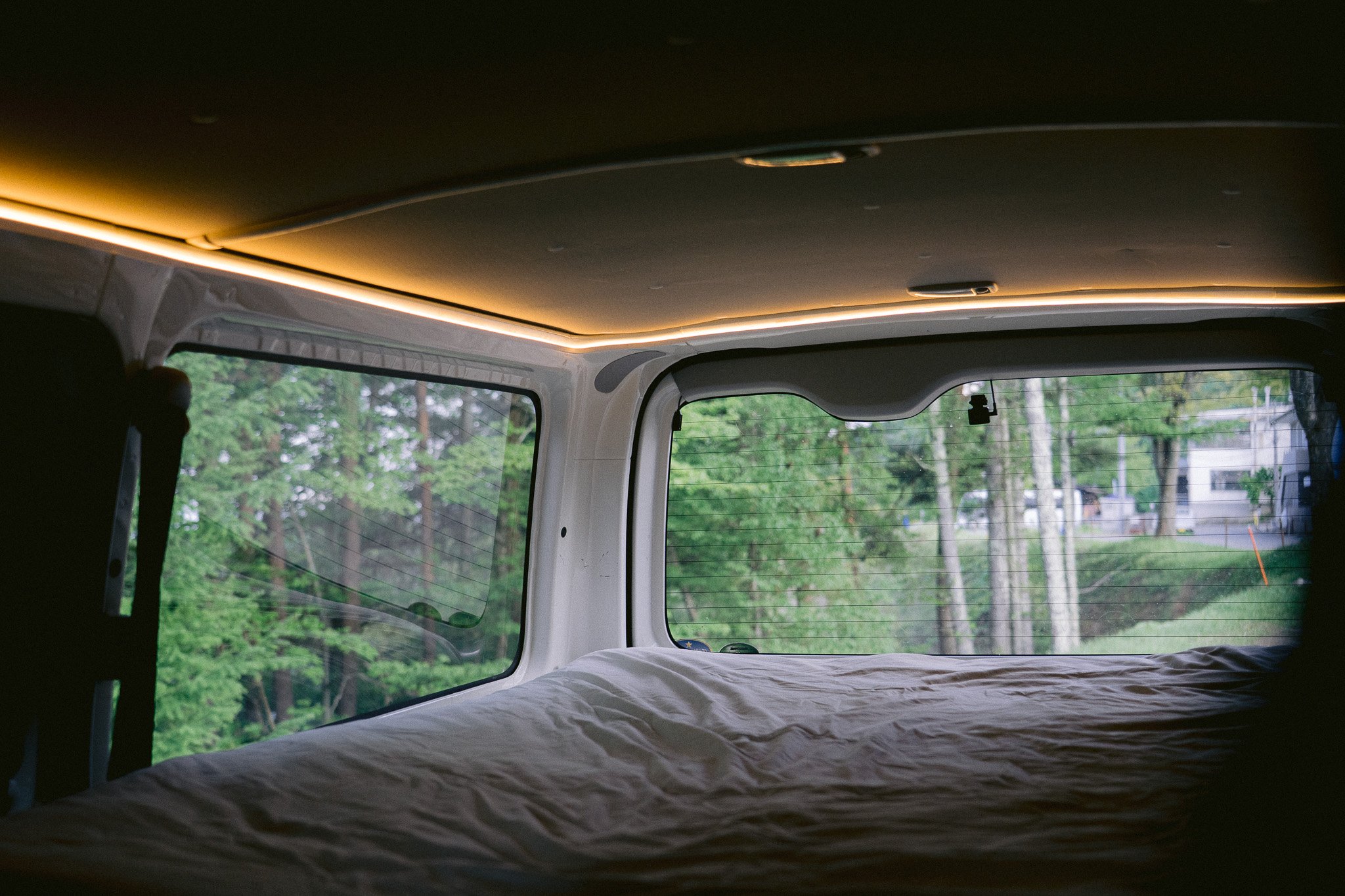
Planning your first Japan van trip?
We run two compact, easy-to-drive campervans out of Tokyo, built for couples who want the freedom without wrestling a big motorhome. Got a question before you book? Message me on WhatsApp — I'll give you a straight answer, even if you don't rent from us.