
Where to Sleep in a Campervan in Japan — Michi-no-Eki, RV Parks & Campsites
Yes, you can sleep in a campervan in Japan — safely and legally.
There are many designated places such as roadside stations (Michi-no-Eki), RV parks, and campsites.
In this guide, we’ll show you exactly where to stay, what to avoid, and how to travel stress-free.
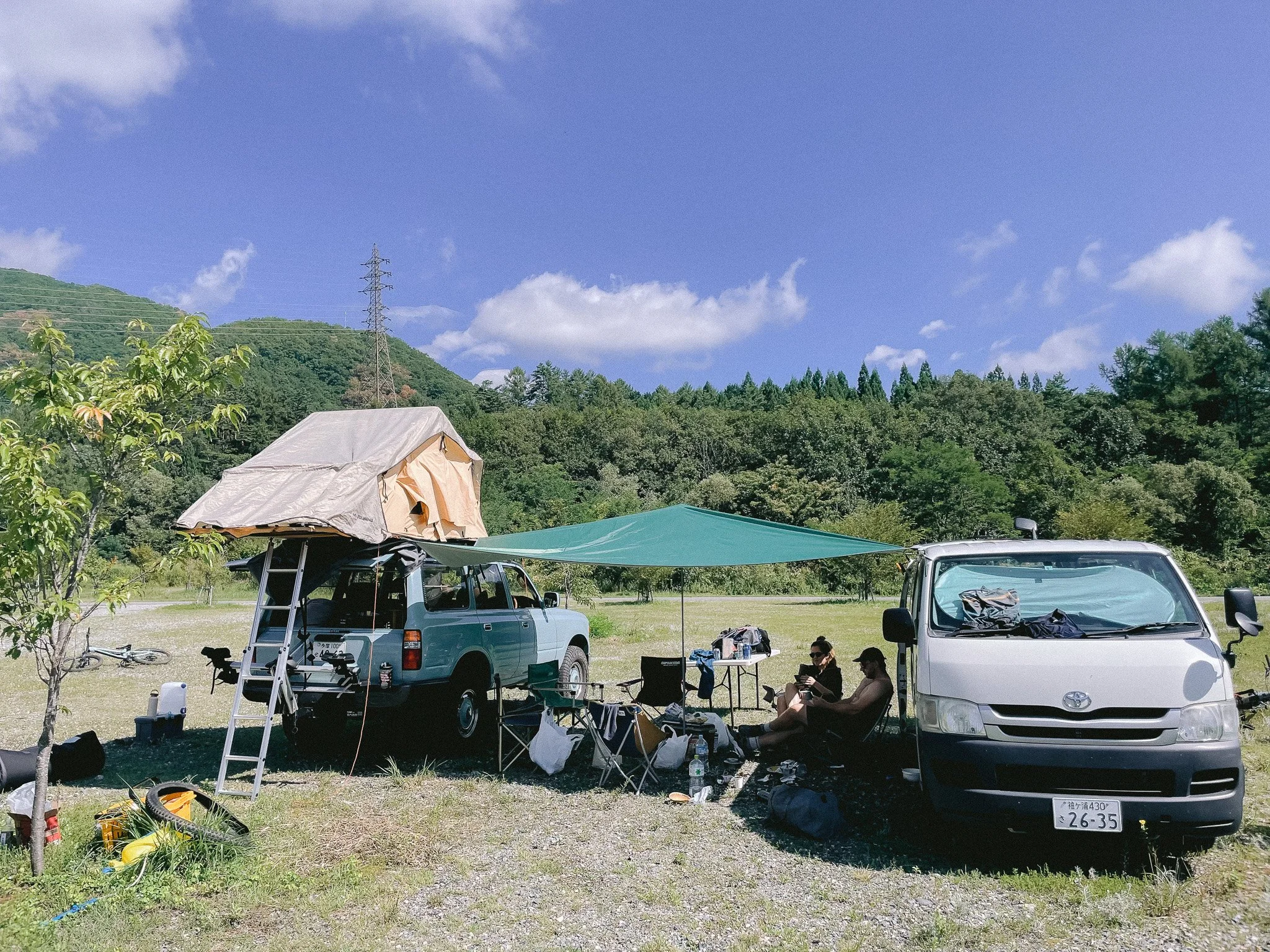
Yes — Japan is one of the best countries in the world for campervan travel
Hundreds of free overnight spots, great roads, and 24-hour convenience stores everywhere. Here's where you can sleep.
Michi-no-Eki
Free · roadside stations · all over Japan
RV Parks
Paid · electricity hookups · more comfort
Campsites
Mountains, lakes & coast · scenic & quiet
Highway Rest Stops
Short rest only · open 24 hours
Best Places to Sleep
1. Michi-no-Eki(Road side Station)
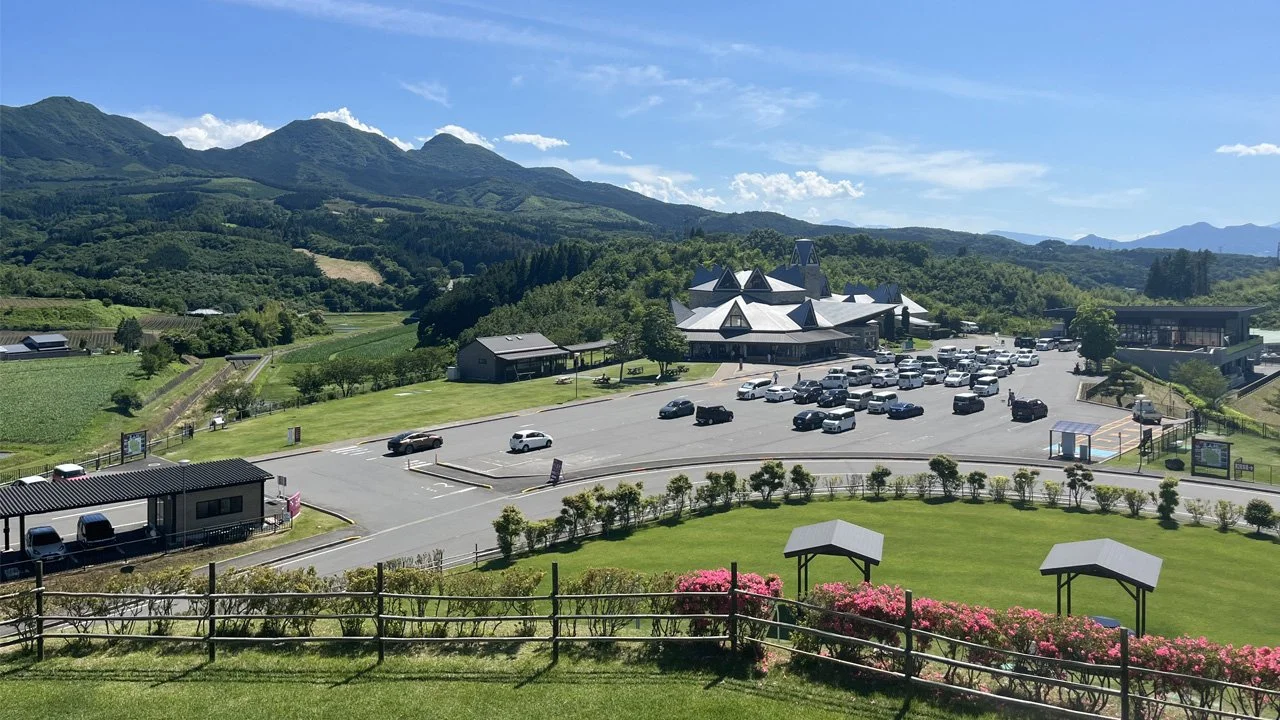
Michi-no-Eki are one of the most popular and convenient places to sleep in a campervan in Japan.
These are government-designated roadside stations located all across the country.
Michi-no-Eki
Roadside station · free overnight parking
Government-designated rest stops found all across Japan — the most popular choice for campervan travelers. Free, safe, and easy to find on any route.
What's included
Pros
Cons
RV Parks
RV Parks
Dedicated campervan parking · paid overnight spots
Dedicated overnight parking spots for campervans, offering more comfort and facilities compared to Michi-no-Eki. A great choice if you want a more organized stay.
What's included
Pros
Cons
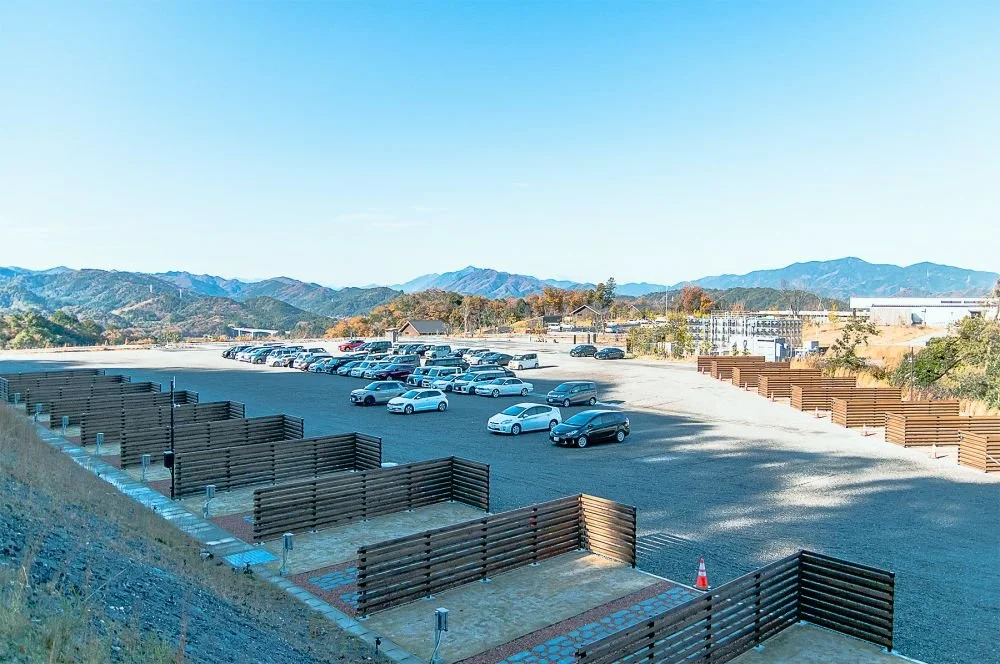
3.Campsites
Campsites are perfect if you want a more nature-focused experience.
Japan has thousands of campsites, from basic to fully equipped.
Campsites
Nature-focused · thousands of locations across Japan
Perfect if you want a more nature-focused experience. Japan has thousands of campsites, from basic to fully equipped — mountains, lakes, and coastal spots.
What's included
Pros
Cons
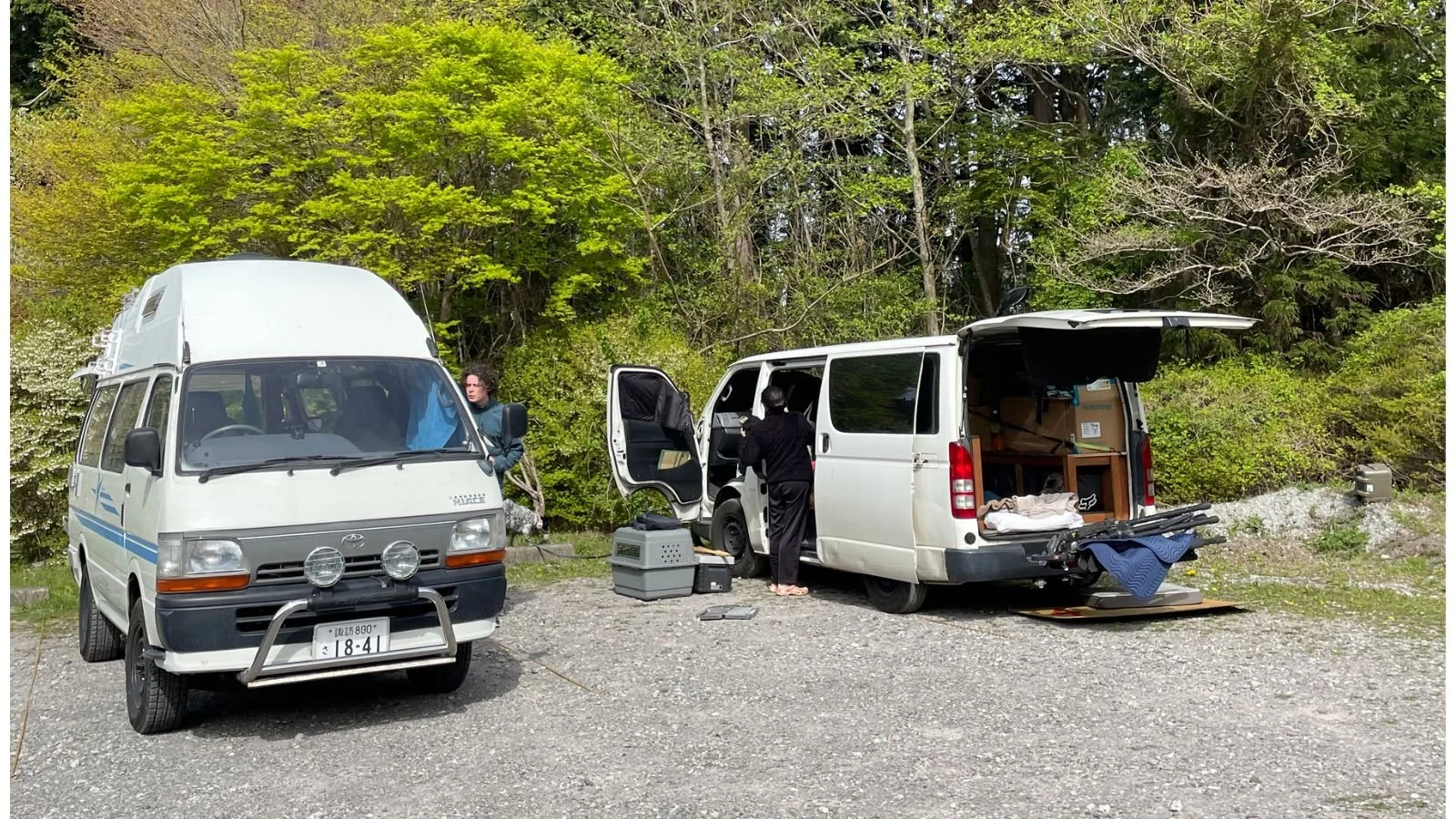
4. Highway Rest Stops
Highway Service Areas (SA / PA)
24-hour rest stops · along expressways
Service areas are located along highways and are open 24 hours. Suitable for a short rest or emergency overnight stop — but not ideal as a main sleeping spot.
Important
Good to know
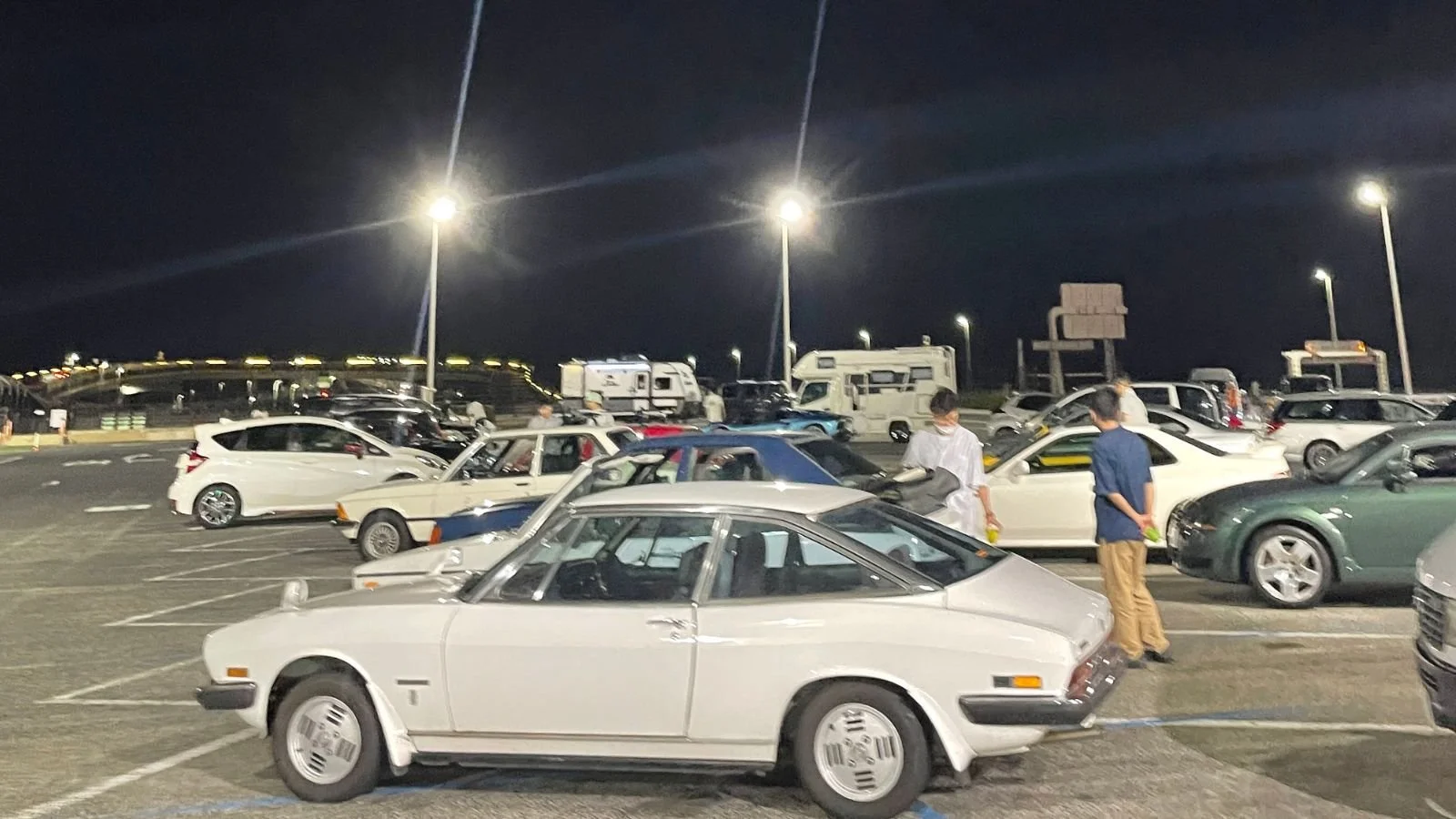
Where NOT to Sleep
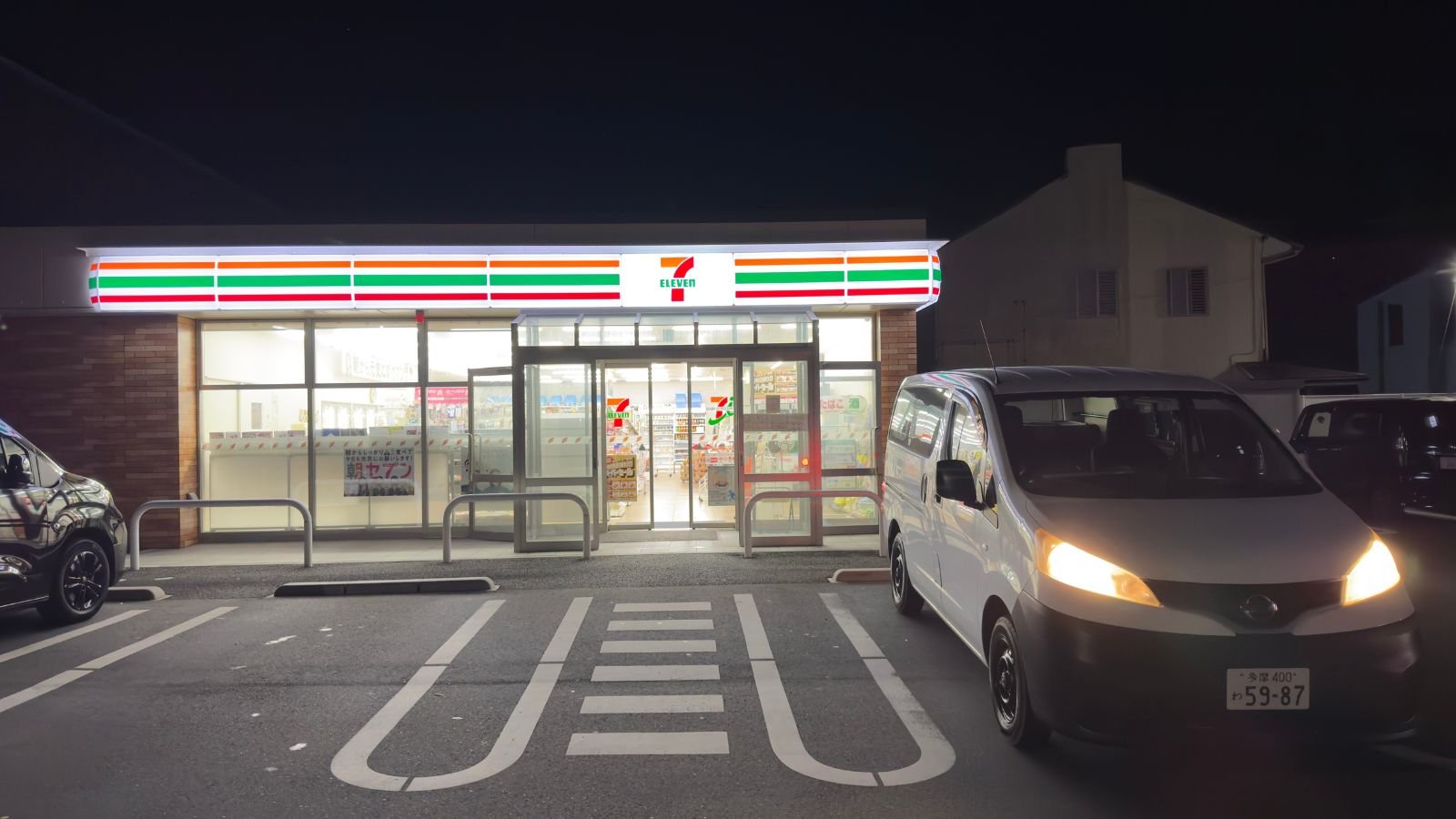
Where NOT to sleep
Avoid these spots to stay out of trouble
Japan is generally very safe for campervan travel — but there are a few places you should always avoid parking overnight.
Avoid these places
Why it matters
Example Route (Real Use Case)
Tokyo → Hakone → Mt. Fuji
Night 1: Michi-no-Eki in Hakone area
Night 2: Campsite near Lake Kawaguchi
This is a very popular beginner-friendly route and works perfectly for a 2–3 day road trip.
Tips for Sleeping Comfortably
Tips for sleeping comfortably
Simple habits that make a big difference
FAQ
Frequently asked questions
Quick answers for first-time campervan travelers
QIs it legal to sleep in a campervan in Japan?
Yes, as long as you stay in appropriate places like Michi-no-Eki, RV parks, or campsites.
QCan foreigners use Michi-no-Eki?
Yes, they are open to everyone — no registration or membership required.
QAre there toilets and showers?
Toilets are widely available at Michi-no-Eki (24 hours). Showers can be found at campsites, RV parks, or public bathhouses (onsen) — usually ¥500–¥800.
QCan I sleep anywhere in Japan?
No — avoid private land, residential areas, and small parking lots without permission. Stick to designated spots and you'll have no issues.
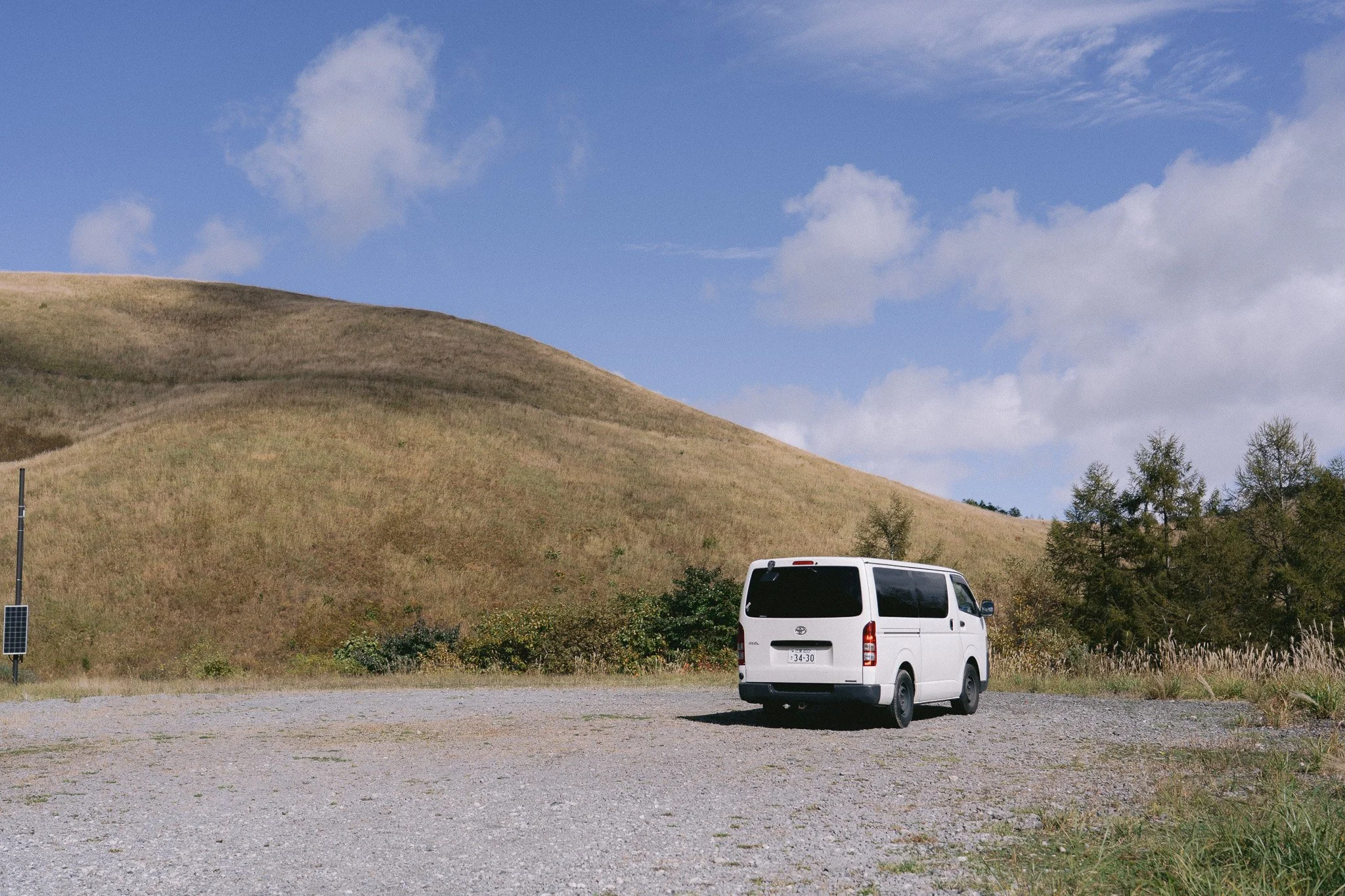
I've slept in my van all over Japan — mountain passes, fishing villages, rice fields, clifftops above the Pacific. Every single spot has been worth it.
There's no other way to find these places. You can't book them on any app. You just drive, you stop, and Japan keeps surprising you.
That's why I started Motion Campervans. I wanted everyone to have that same feeling — waking up somewhere unexpected, with nowhere you have to be.
If you're thinking about it, just go. We'll sort the van.