
Escape Japan's Summer Heat: The Ultimate Campervan Guide to the Fujimi Area, Nagano
Fujimi and the surrounding highlands - including Kobuchisawa and Utsukushigahara, all within an hour's drive - make up one of the best summer campervan bases in Japan.
Japan's summer is no joke. Tokyo regularly hits 35°C or above, and the humidity makes it feel even worse. In 2024, Tokyo recorded 20 days above 35°C, 82 days above 30°C, and 47 tropical nights where the temperature never dropped below 25°C — even after midnight.
Sleeping in a campervan in Tokyo during peak summer? Honestly, it's tough.
But here's the thing most travelers don't know: you don't have to suffer. Drive two hours from Tokyo and you can sleep with a blanket. The secret is altitude — and nobody knows this better than our founder Hajime, who has spent more nights campervan camping in Nagano than he can count.
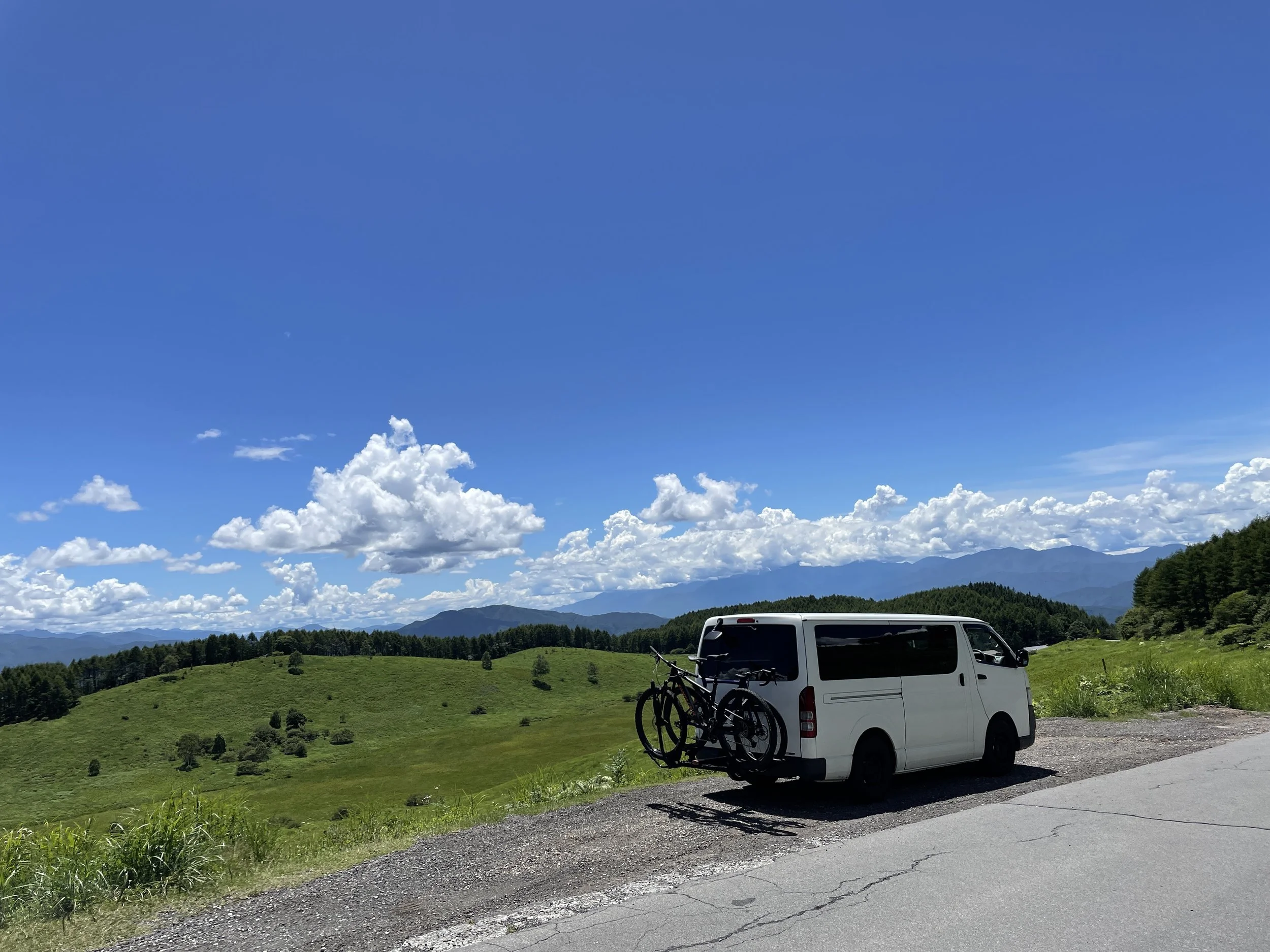
Why Summer Campervan Travel in Japan is All About Where You Sleep
A campervan gives you total freedom — but in Japanese summer, that freedom only works if you use it smartly. The biggest mistake first-time summer travelers make is staying at low-elevation spots near the city. The heat doesn't go away at night. In fact, Tokyo's urban heat island effect means city temperatures barely drop even at 2am.
The key is simple: plan your nights, not just your days. Research the nighttime temperature of wherever you're parking before you go. This one habit completely changes your summer campervan experience.
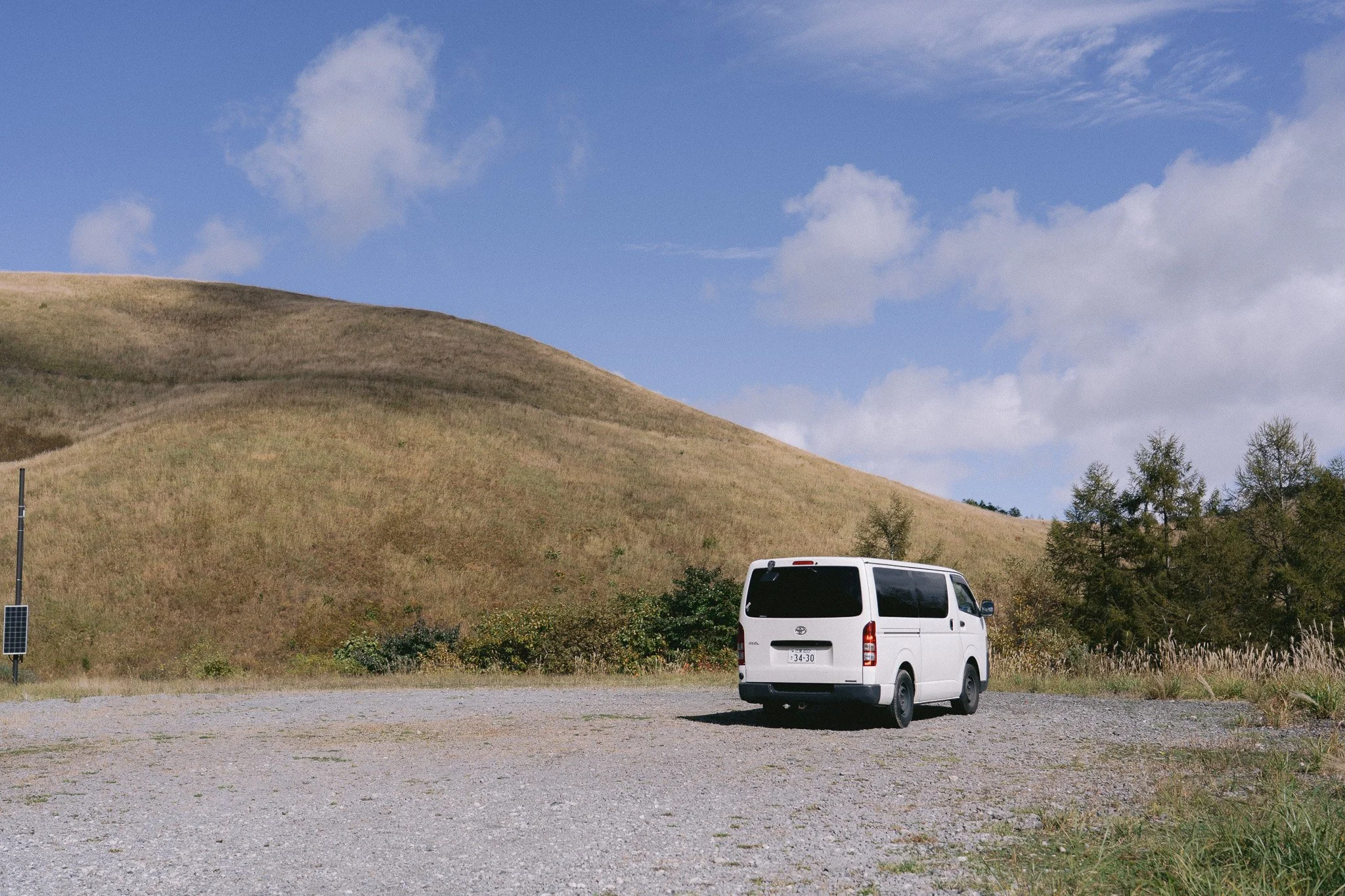
The 0.6°C Rule — The Most Important Thing to Know for Summer Camping in Japan
Here's the science behind comfortable summer camping in Japan:
For every 100 meters of altitude you gain, the temperature drops by 0.6°C.
That means:
| Altitude | Temperature difference from Tokyo |
|---|---|
| 500m | −3°C |
| 1,000m | −6°C |
| 1,500m | −9°C |
| 2,000m | −12°C |
If Tokyo is 33°C at night, a campsite at 1,000m is around 27°C. At 2,000m, you're looking at 21°C — perfect sleeping weather with a light blanket.
No air conditioning needed. Just altitude.
This is the single most useful tip for summer campervan travel in Japan, and it's the foundation of everything we recommend below.
Top Spots in Nagano to Park and Sleep Cool
Nagano is Japan's best-kept secret for summer campervan travel. It's only about 2 hours from Tokyo, but the elevation completely changes the experience. Here are Hajime's personal favourites — spots he has returned to again and again.
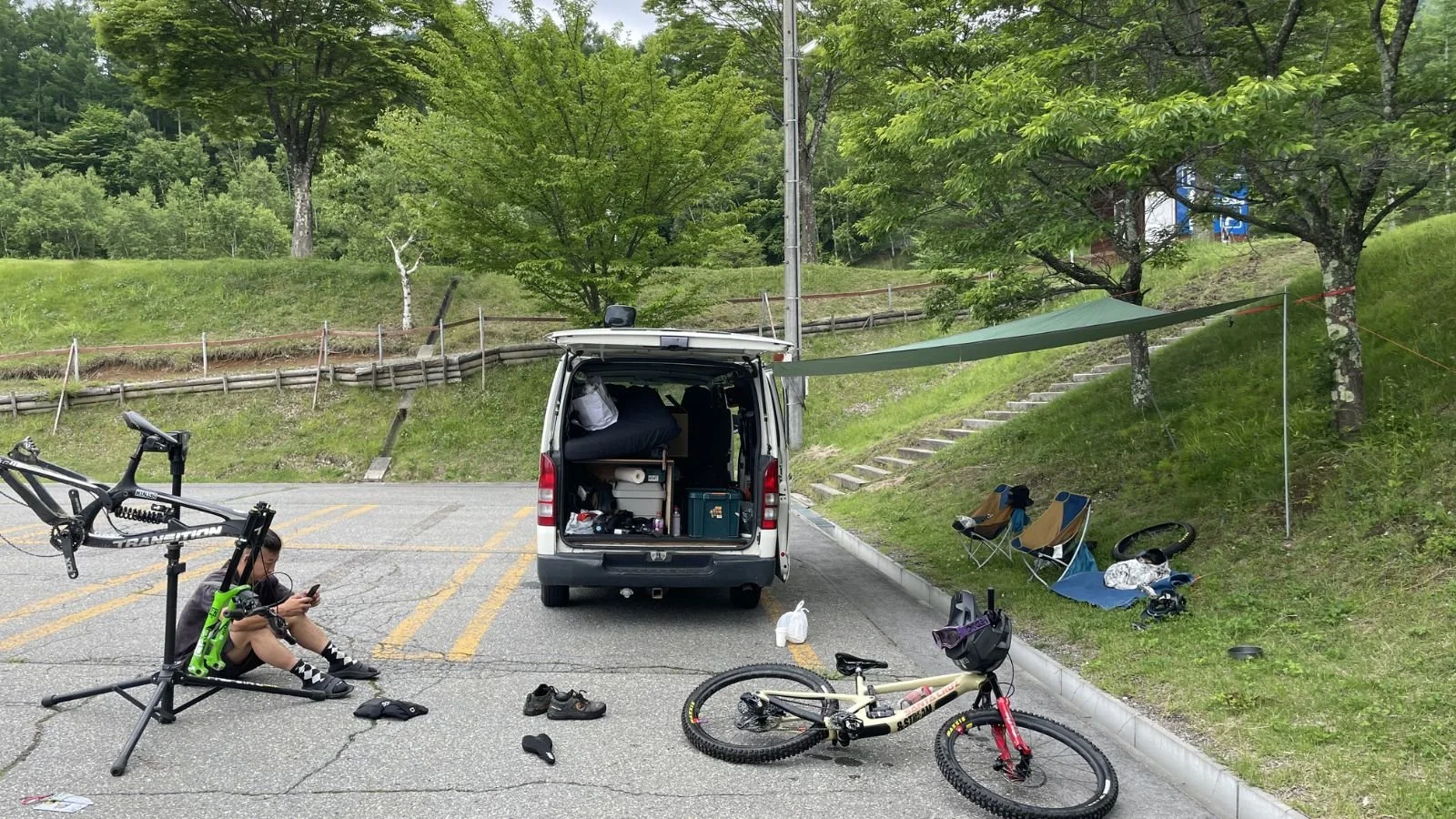
1. Fujimi Panorama Resort — 1,000m Elevation
This is one of Hajime's all-time favourite summer spots, and once you visit, you'll understand why.
Fujimi Panorama Resort is a ski resort that opens its car park for free camping during the summer months. And when we say camping, we mean real camping — you can set up a tent, roll out your awning, cook outside, and fully settle in for the night. All for free.
What's available:
Free overnight parking and camping
24-hour clean toilets
Vending machines
Changing facilities
And about 500 meters down the road, there's a hot spring bath with a restaurant attached. Soak in the onsen, have dinner, then drive back up the mountain to sleep in cool air. It's hard to beat.
At 1,000m elevation, the nighttime temperature is typically 6°C cooler than Tokyo — which in peak summer means the difference between a sleepless, sweaty night and genuinely comfortable rest.
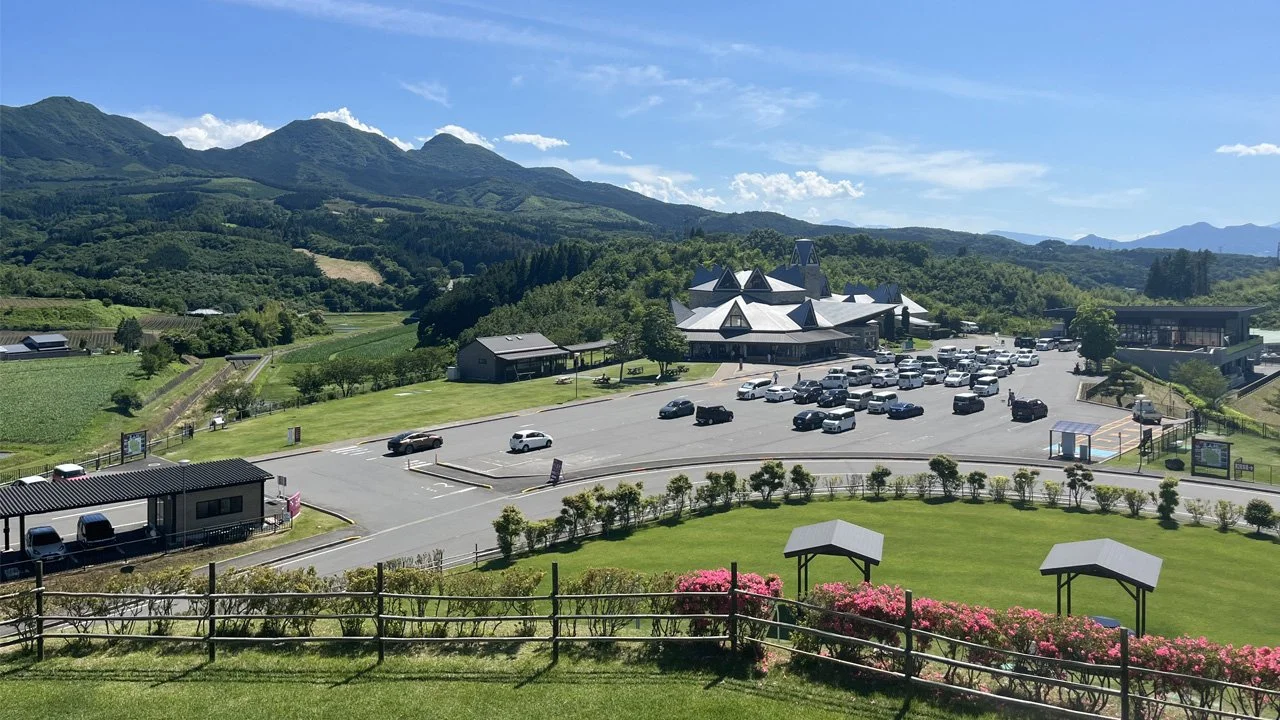
2. Kobuchisawa Michi no Eki - A Roadside Station with a Craft Beer Taproom
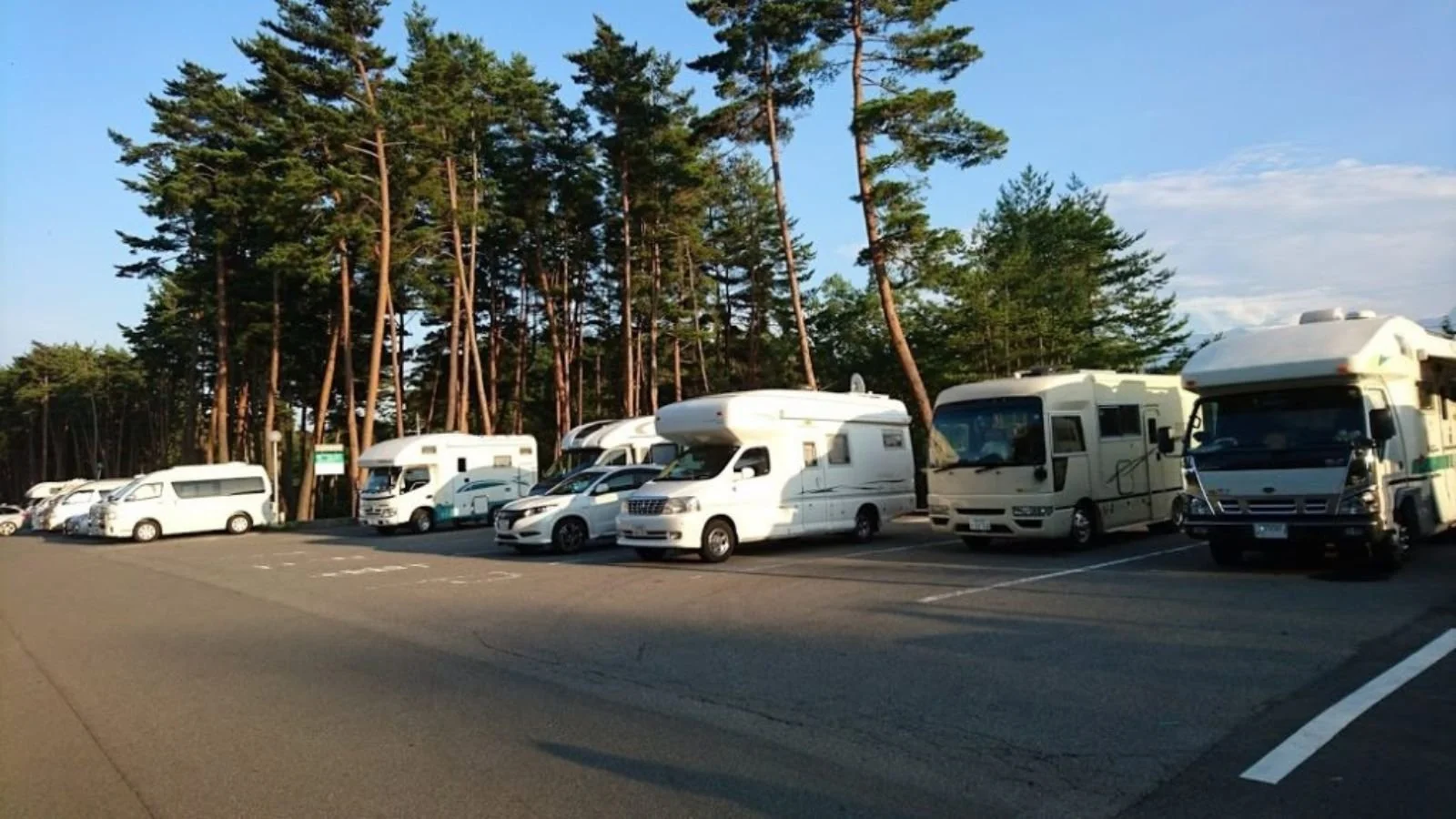
If you've ever thought "I wish I could soak in a hot spring and then drink great craft beer before bed," Kobuchisawa Michi no Eki was built for you.
This roadside station near the Kobuchisawa interchange has everything you need for a perfect night:
Onsen (hot spring bath)
Restaurant
Uchu Beer taproom - a beloved local craft brewery whose name literally means "Universe Beer"
Uchu Beer is genuinely excellent and well known among Japanese craft beer fans. Having a cold pint after a hot spring, with mountain air coming through the window of your van - this is what campervan travel in Japan is supposed to feel like.
The surrounding area is also worth exploring during the day. The Kiyosato area, Keith Haring Museum (yes, really — one of the best collections of Keith Haring's work in the world is here in rural Nagano), and the resort town of Risonare are all nearby, with plenty of good restaurants to choose from.
One More Tip - Open Your Rear Gate
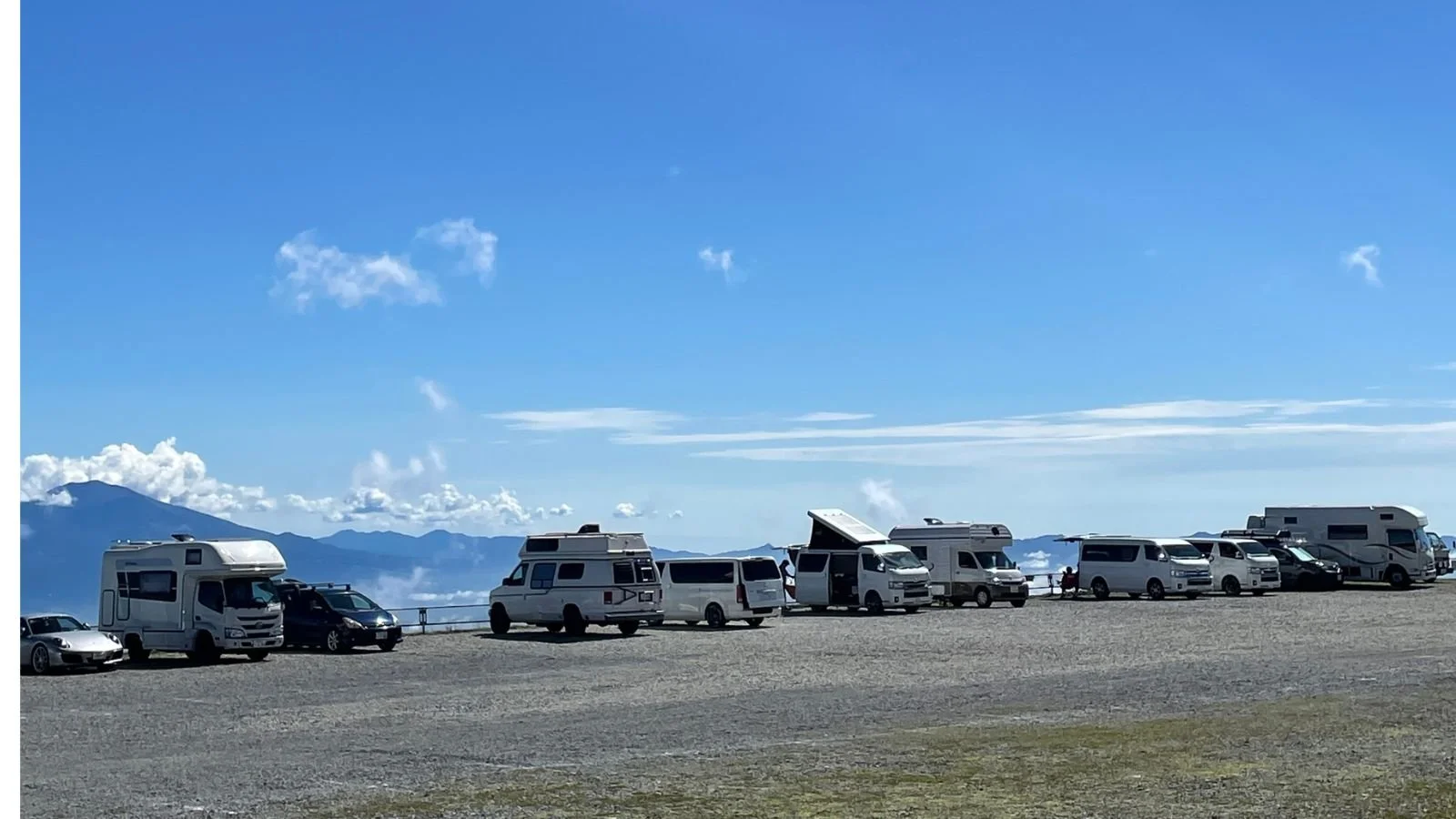
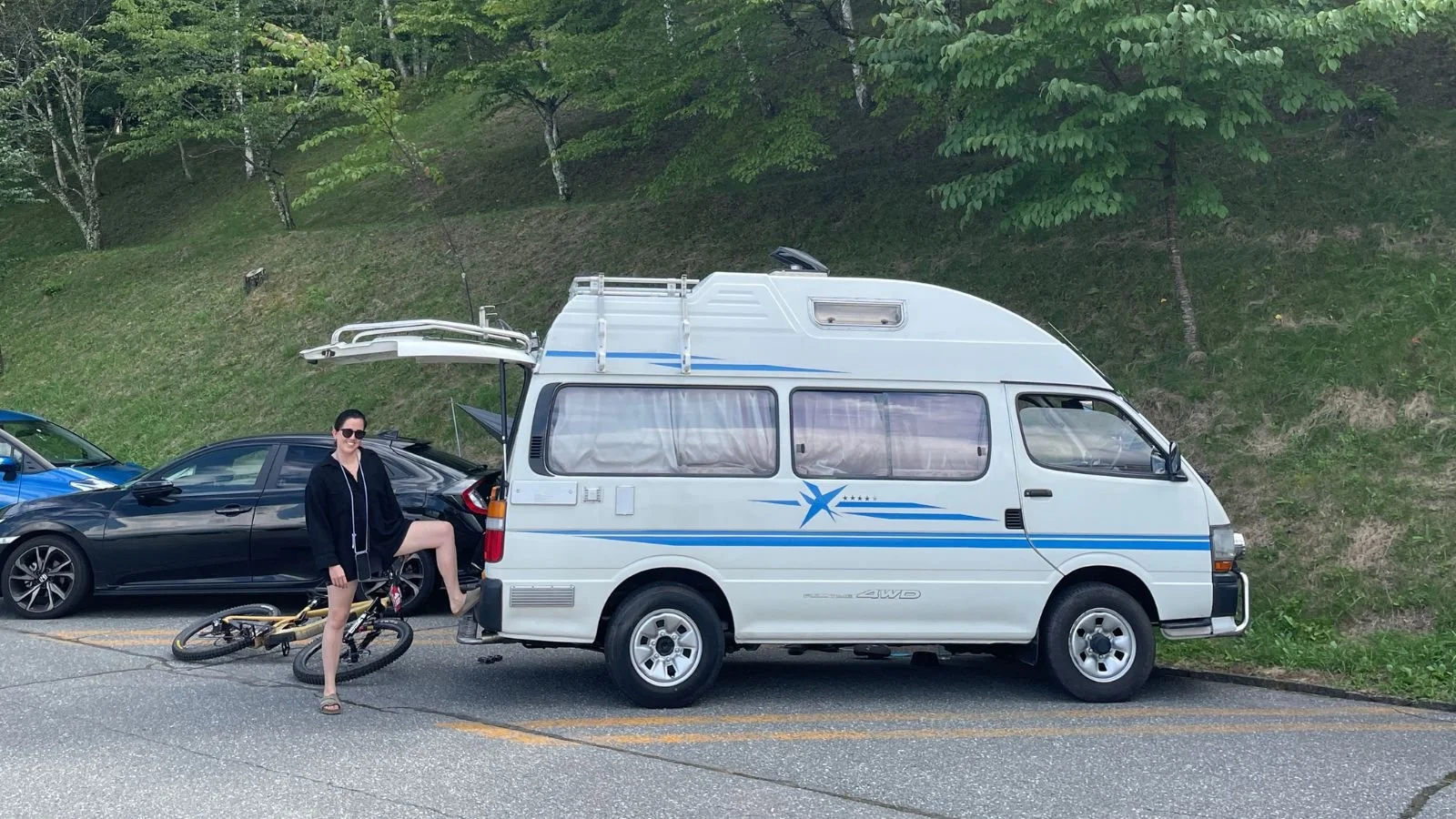
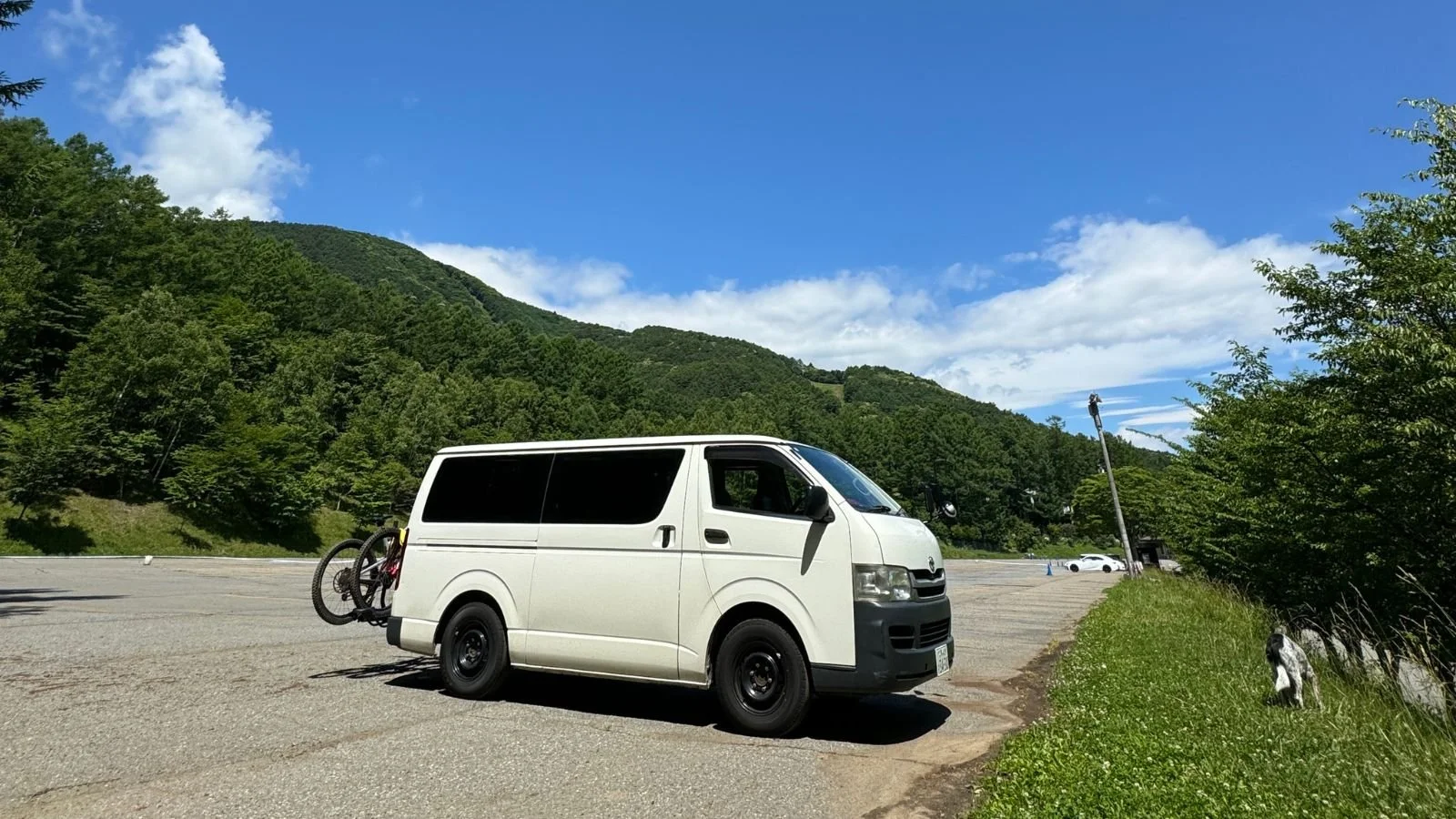
Here's something you'll notice at Japanese campervan spots that might surprise you at first: people parked with their rear gates wide open, facing away from other cars.
This is intentional. By opening the rear gate, you create a shaded outdoor space directly behind the van - perfect for sitting out, eating, or just relaxing without the full sun. Many campers also attach a mosquito net to the open gate, giving them fresh air and shade while keeping insects out.
As a courtesy to others, try to park so that your open rear gate doesn't block the space behind you. As you can see in the photo above, this is common practice at Japanese car parks - everyone gives each other a little space to live comfortably outside their van.
It's a small thing, but it completely changes how much time you spend outside versus inside.
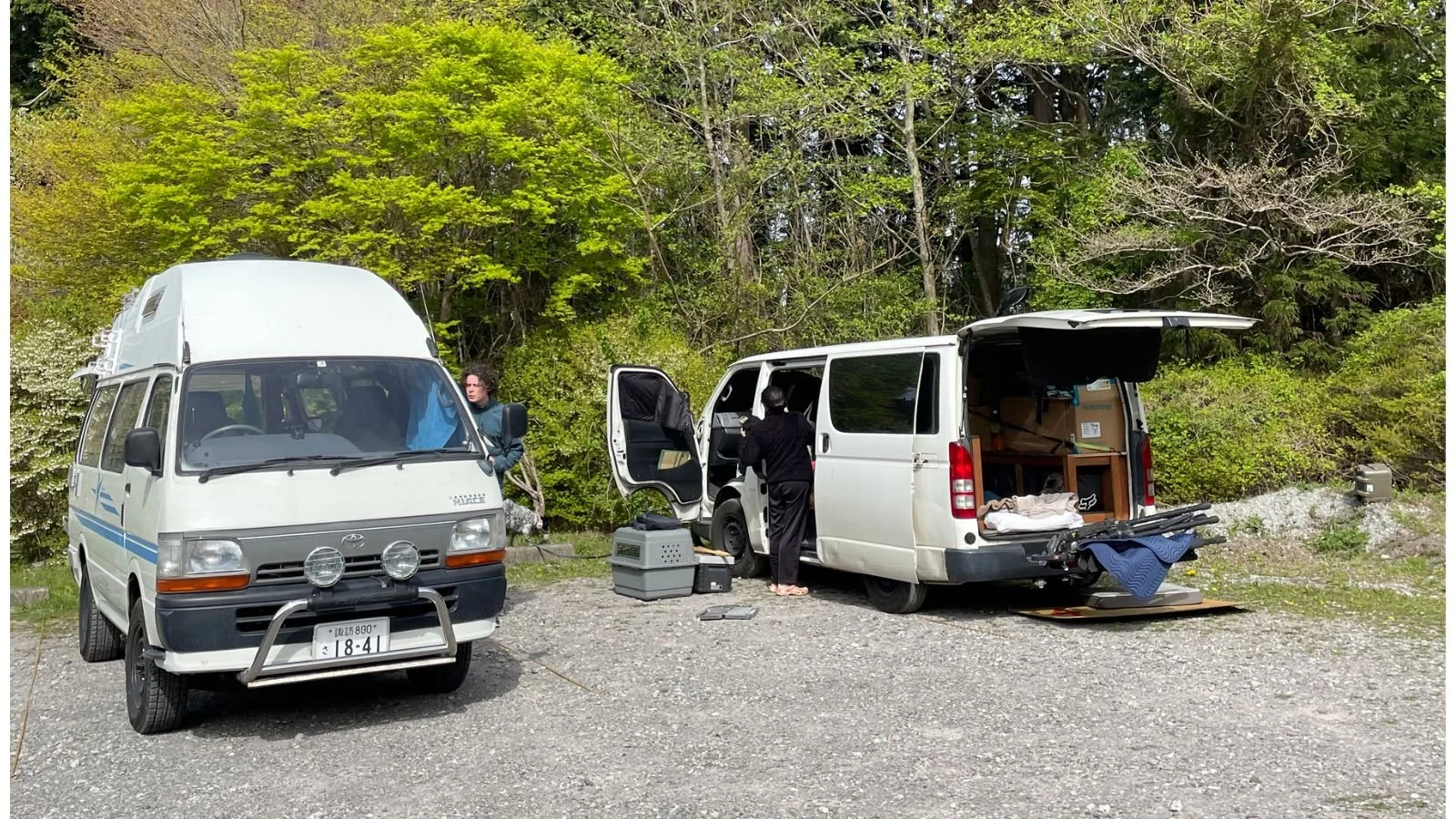
3. Utsukushigahara Michi no Eki - Japan's Highest Altitude Roadside Station (2,000m+)
This one is special.
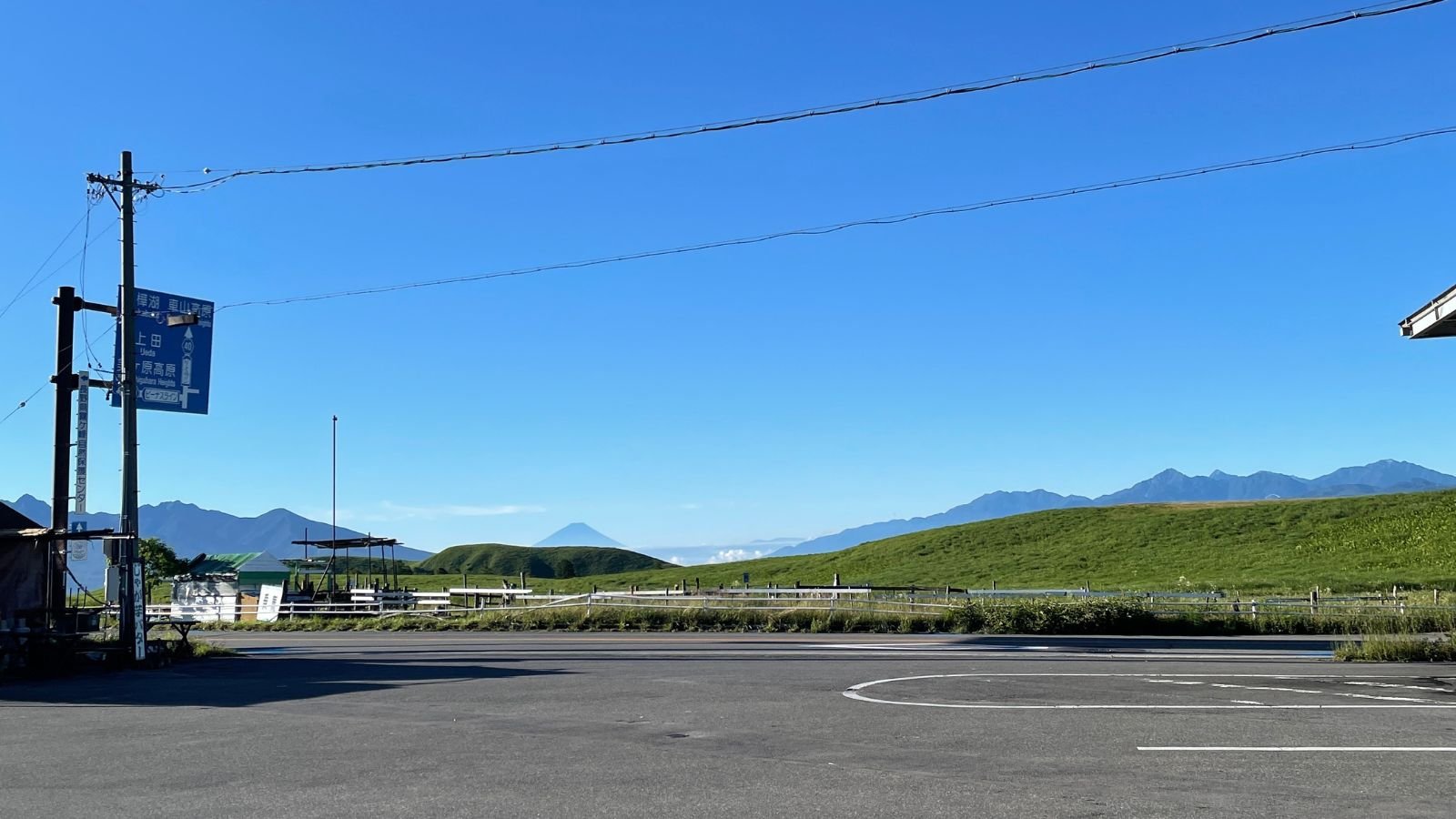
Utsukushigahara is the highest altitude Michi no Eki in Japan, sitting at over 2,000 meters above sea level. And at that elevation, summer heat simply doesn't exist.
Even on the hottest days of the Japanese summer - when Tokyo is melting at 37°C - it is genuinely cool up here. At night, you will need a blanket. Not a light sheet, an actual blanket.
One important note: this spot is so high that it can actually be too cold in June and September. We recommend visiting during July and August only for the best experience.
The drive up here is also one of the best in Nagano. The route from Utsukushigahara to Kirigamine (霧ヶ峰) is a stunning highland road with open views, cool air, and almost no traffic. If you have one drive to do in Nagano, this is it.
This is my top recommendation for peak summer camping. If you can only visit one spot on this list, make it this one.
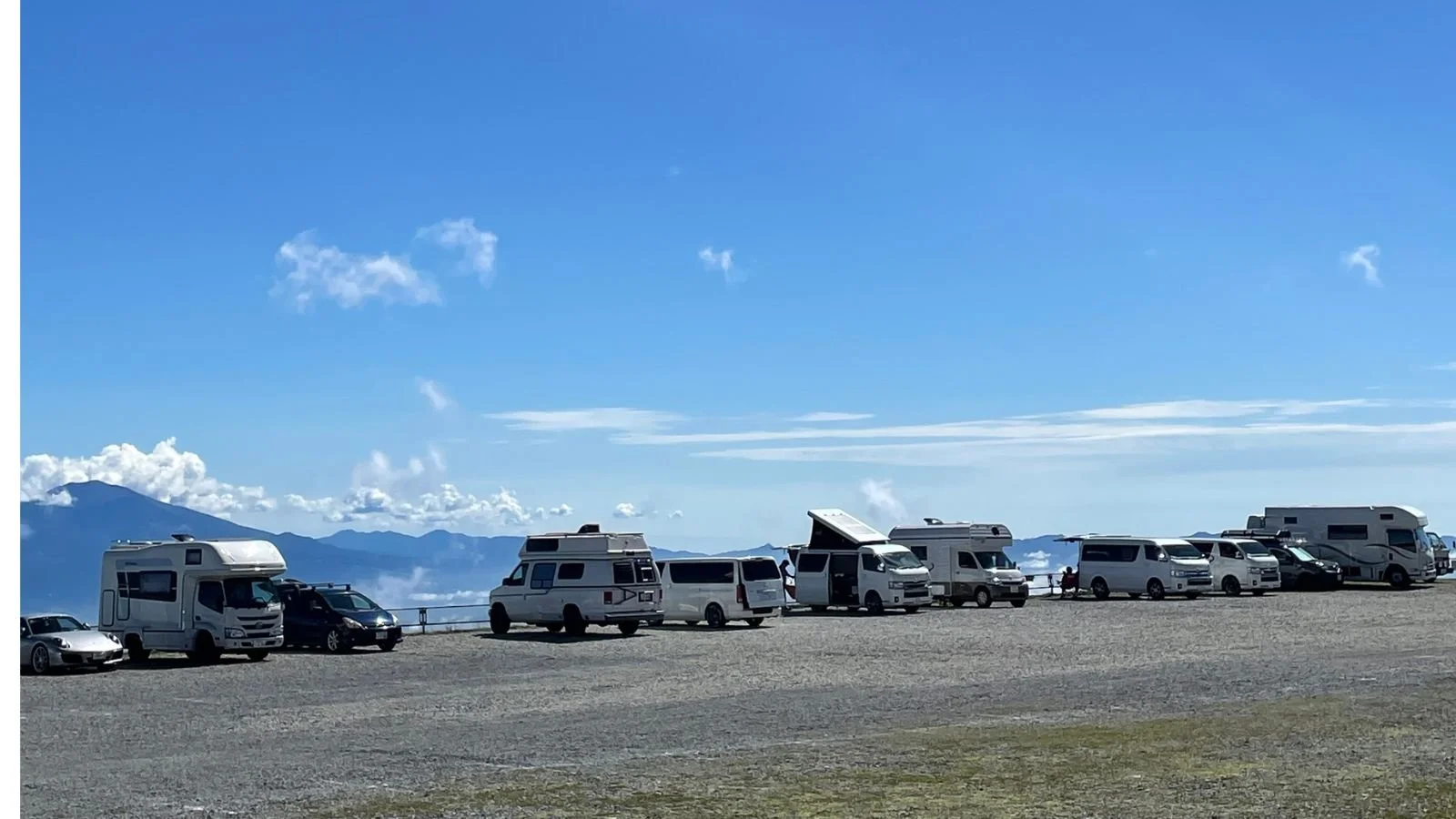
Things to Do at Fujimi Panorama Resort
Fujimi Panorama isn't just a great place to sleep - it's one of the best activity bases in Nagano for the whole day.
Here's what you can do right here before heading back to your van for the night.
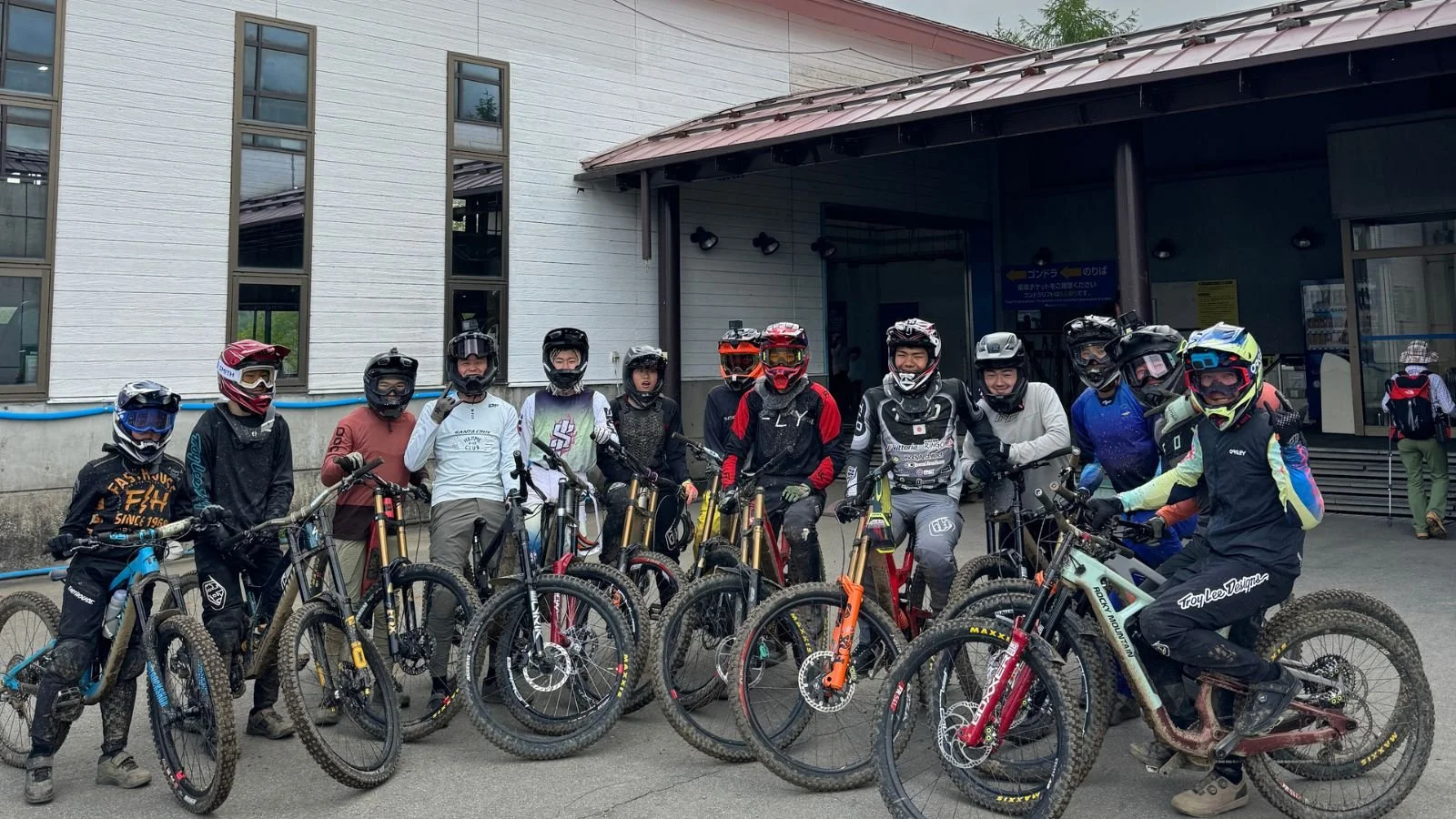
Mountain Biking - One of Asia's Largest MTB Parks
I've been riding mountain bikes here for years, and honestly, Fujimi Panorama is one of my favourite places to ride in Japan. The MTB park is one of the largest in Asia, with trails ranging from beginner-friendly flow trails to more technical descents — all with stunning views of the Yatsugatake mountain range.
The best part for visiting riders: you don't need to bring anything.
Full bike rental is available on-site, including helmets and protective gear.
The MTB lift carries you and your bike back up the mountain, so you can focus entirely on the descent.
Rental bikes start at around ¥15,000, with a separate daily lift pass required on top of that. Prices can change seasonally, so check the official MTB park website before you go.
Whether you're a seasoned rider or picking up a mountain bike for the first time, this place delivers.
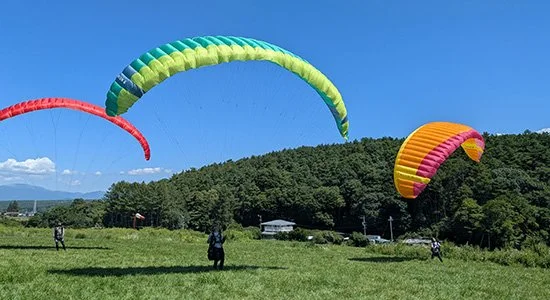
Paragliding - Tandem Flights with Views of the Alps
If you've ever wanted to try paragliding in Japan, Fujimi Panorama is one of the best places to do it. The school operates from April through November, and the flying conditions here - steady mountain air, wide open terrain, altitude difference that's one of the largest in the Kanto/Chubu region - make it ideal for beginners and experienced flyers alike.
Two options are available:
Half-day experience course - ¥8,000 (great for first-timers)
Tandem flight from the summit - ¥17,000 + gondola fee (you fly with an instructor from 1,000m)
Advance booking is required. Contact the school directly via Windhop Paragliding School.
Mt. Nyukasa Trekking - Easy Alpine Hiking for All Levels
If you prefer something more relaxed, the trekking at Fujimi Panorama is genuinely beautiful and surprisingly accessible.
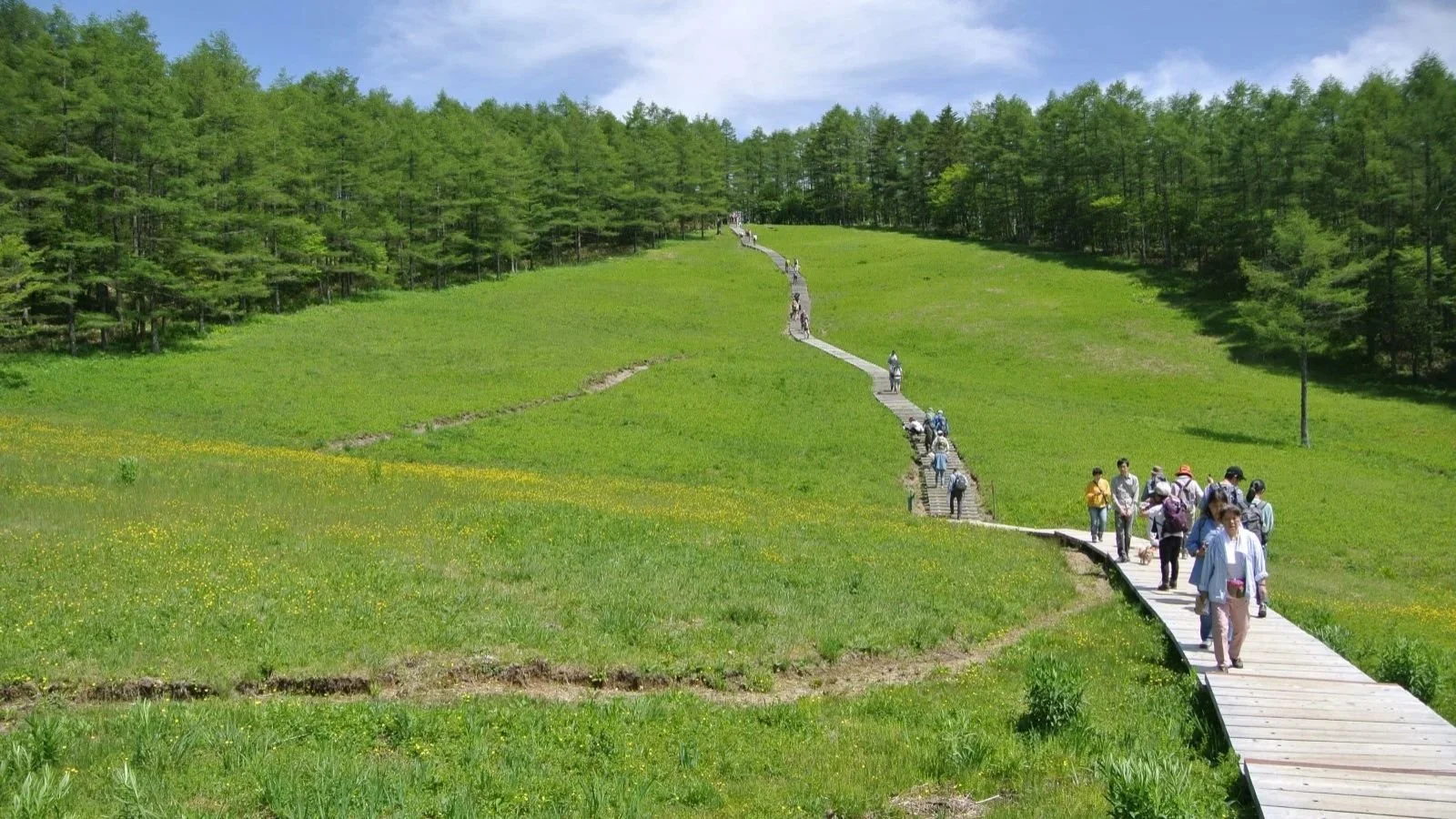
Take the gondola up to 1,780m and you're immediately in alpine meadow territory -wildflowers, open skies, and views of Mount Fuji and the Southern, Central, and Northern Alps all at once.
Gondola fees (required for trekking):
Adult round trip: ¥2,600
Adult one-way: ¥2,000
Children (elementary school): ¥1,300 / ¥1,000
Under school age: free
Two courses are available once you're at the top:
Short course (approx. 90 min) - A gentle 2km loop through the wildflower garden and Nyukasa Wetlands. Perfect for families or anyone who just wants a peaceful morning walk before getting back on the road.
Summit course (approx. 3 hours) - Hike to the top of Mt. Nyukasa (1,955m) for a full 360-degree panorama. Beginner-friendly but genuinely rewarding.
In June, the hillsides are covered in over one million lily-of-the-valley flowers. In summer, more than 150 species of alpine wildflowers are in bloom. It's the kind of place that reminds you why you came to Japan.
Prices are as of 2026 — check the official ticket page for the latest.
Practical Tips for Camping at Altitude in Japanese Summer
The Temperature Drop is Real -Pack Accordingly
Even if Tokyo is 35°C when you leave, pack a fleece or light jacket. The morning and evening temperature difference at altitude can be 10°C or more, and it catches a lot of first-time visitors off guard.
Use a Sun Tracking App to Choose Your Parking Spot
This is a tip you won't find anywhere else, and it makes a huge difference.
Before you park for the night, check which direction the sun will rise in the morning and what angle it will hit your van. Apps like Sun Seeker or PhotoPills show you exactly where the sun will be at any given time.
Park so that your van is in shade when the sun rises. If the sun hits your van at 5am, you'll be awake and sweating by 6am no matter how cool it was the night before. Park in the right direction and you can sleep until 8 or 9am in complete comfort.
This single tip can add two or three hours to your morning sleep.
Mosquitoes Are Real at Altitude Too
Don't let the cool air fool you — mosquitoes exist in the Japanese mountains. Bring a mosquito net for your windows and keep them closed after dark. our vans come equipped with window screens, but it's worth double-checking when you book.
The Best Time to Visit Nagano by Campervan in Summer
Late July through August is the sweet spot.
The heat in Tokyo is at its worst, making the contrast with Nagano's highland cool feel even more dramatic. Avoid Golden Week and Obon week (mid-August) if you want quieter roads and parking.
Getting to Nagano from Tokyo by Campervan
Nagano is surprisingly close. From central Tokyo, you can reach the Kobuchisawa area in around 2 to 2.5 hours via the Chuo Expressway.
A simple 3-night summer route:
Night 1: Fujimi Panorama Resort (1,000m) - settle in, enjoy the onsen nearby
Night 2: Kobuchisawa Michi no Eki - craft beer, hot spring, explore Kiyosato
Night 3: Utsukushigahara (2,000m+) - drive the Kirigamine road, sleep under stars with a blanket
This route keeps you cool every night, gives you great scenery every day, and puts you back in Tokyo in under 3 hours whenever you're ready.
Q: Do I need to book the Fujimi Panorama parking in advance?
No reservation is needed. The car park at Fujimi Panorama Resort is free and holds around 2,000 vehicles - first come, first served. Just show up, find a spot, and settle in.
12:59 PM
Q: Is it safe to sleep in a campervan alone in Japan?
Yes — Japan is one of the safest countries in the world for solo travelers, and campervan travel is no exception. Michi no Eki (roadside stations) and ski resort car parks like Fujimi Panorama are well-lit, regularly used by other travelers, and generally very safe environments. In over 15 years of campervan travel across Japan, I've never had a security issue at any overnight spot. Lock your doors, use common sense, and you'll be completely fine.
Q: Can I drive a campervan in Japan with a foreign license?
Yes, with the right documentation. Most foreign visitors can drive in Japan using an International Driving Permit (IDP) issued in their home country, alongside their original national license. If you're from Geneva Convention countries (most of Europe, USA, Australia, New Zealand, Canada and more), an IDP is all you need. Visitors from certain countries — including Switzerland, Germany, France, Belgium, Monaco, and Taiwan — can use their national license with a certified Japanese translation instead. Check the requirements for your specific country before you travel. Motion Campervans can advise you on documentation when you book.
Q: What is the best campervan route from Tokyo in summer?
The Tokyo → Fujimi → Utsukushigahara → Kobuchisawa loop is our top recommendation for summer. It takes 3 nights, keeps you cool every evening through altitude, and covers some of the best scenery in Nagano — all within 2 to 2.5 hours of Tokyo via the Chuo Expressway. Full route details are in this guide above.
Q: How hot does it get in Nagano in summer compared to Tokyo?
It depends entirely on elevation. In the valley towns of Nagano — Matsumoto, Suwa, Nagano City — summer temperatures are similar to Tokyo, often 30–34°C during the day. But at altitude, everything changes. Fujimi Panorama at 1,000m runs about 6°C cooler than Tokyo. Utsukushigahara at 2,000m runs about 12°C cooler — meaning when Tokyo is 35°C, you're waking up to 23°C with mountain air. That's the whole point of this route.
Q: Do I need to book campervan spots in advance in Nagano?
For most spots on this route — no. Fujimi Panorama car park and Utsukushigahara Michi no Eki are both free, first-come-first-served, and large enough that finding a spot is rarely an issue on regular summer weekends. The exception is during peak Obon week (mid-August) and major local events — during these periods, popular spots fill up faster and arriving earlier in the day is recommended.
That said, there are a few things worth knowing. During major events such as the Fujimi Panorama Fes craft market (usually held in late August), parking arrangements change and overnight camping in certain areas may be restricted Fujimipanorama.
If you're visiting around that time, check the resort's official website or social media before you go.
For regular summer weekends, arriving by late afternoon is more than enough to secure a good spot.
Ready to Beat the Heat?
Summer in Japan doesn't have to mean suffering through the heat.
With the right route and a campervan, you can spend your nights at 2,000 meters with cool mountain air, wake up refreshed, and explore one of Japan's most beautiful prefectures at your own pace.